When the heat comes on and the air outside turns cold and dry, the moisture inside your home drops right along with it — often more than you’d expect. Get the balance wrong and you’ll feel it: dry skin and static electricity on one end, foggy windows and musty corners on the other. Dialing in the right level is one of the simplest ways to protect both your comfort and your home, and it’s closely tied to your indoor air quality overall. Here’s the target to aim for and how to hit it.
Key Takeaways
- Aim for 30–40% relative humidity indoors during winter — comfortable without inviting condensation.
- The colder it gets outside, the lower your indoor target should be to keep moisture off your windows.
- Too little moisture causes dry skin, irritated sinuses, static, and cracked or shrinking wood; too much invites condensation, mold, and mildew.
- A cheap hygrometer takes the guesswork out — you can’t manage what you don’t measure.
- Properly humidified air feels warmer, which lets you lower the thermostat and trim your heating bill.
The Ideal Indoor Humidity Level in Winter
For most homes, the ideal indoor humidity in winter lands between 30% and 40% relative humidity. That range keeps the air comfortable for your body and safe for your house. Go much below it and the air feels harsh and dry; push much above it in cold weather and moisture starts collecting on your coldest surfaces — usually the windows.
This is a bit tighter than the 30–50% range often recommended for the year as a whole. Winter narrows the comfortable band because the cold glass and exterior walls in your home give indoor moisture a place to condense, so a little less is genuinely better this time of year.
How Outdoor Temperature Changes the Target
The right number isn’t fixed — it slides with the temperature outside. As a rough guide, when it’s around 20°F outside, aim for about 35%. Near 0°F, drop toward 25%. In a deep cold snap below zero, 15–20% may be all your windows can handle without fogging and dripping. The reason is dewpoint: the colder a surface, the less moisture the surrounding air can hold before it condenses on it. Lowering your target in extreme cold is what keeps water off the glass and out of your walls.
Winter vs. Summer Humidity Levels
Summer is the opposite problem. Warm air holds far more moisture, so the summer job is usually removing humidity, not adding it — a target closer to 40–50% with the help of your air conditioner or a dehumidifier. In winter, heating dries the air out and the task flips to putting moisture back in. Same house, opposite season, opposite strategy.
Signs Your Indoor Humidity Is Too Low
Dry winter air announces itself in ways that are easy to blame on the season instead of the real cause. Watch for:
- Dry, itchy skin and chapped lips that won’t quit
- Irritated sinuses, sore throats, and more frequent colds
- Constant static electricity — shocks from doorknobs, clingy laundry
- Cracking or shrinkage in wood floors, trim, and furniture
- Air that feels colder than the thermostat says it should
That last one matters for your wallet: dry air feels cooler because moisture is evaporating off your skin faster, which tempts you to crank the heat higher than you need to.
Signs Your Indoor Humidity Is Too High in Winter
Too much moisture is the flip side, and in cold weather it shows up on your coldest surfaces first. High indoor humidity levels in winter tend to reveal themselves as:
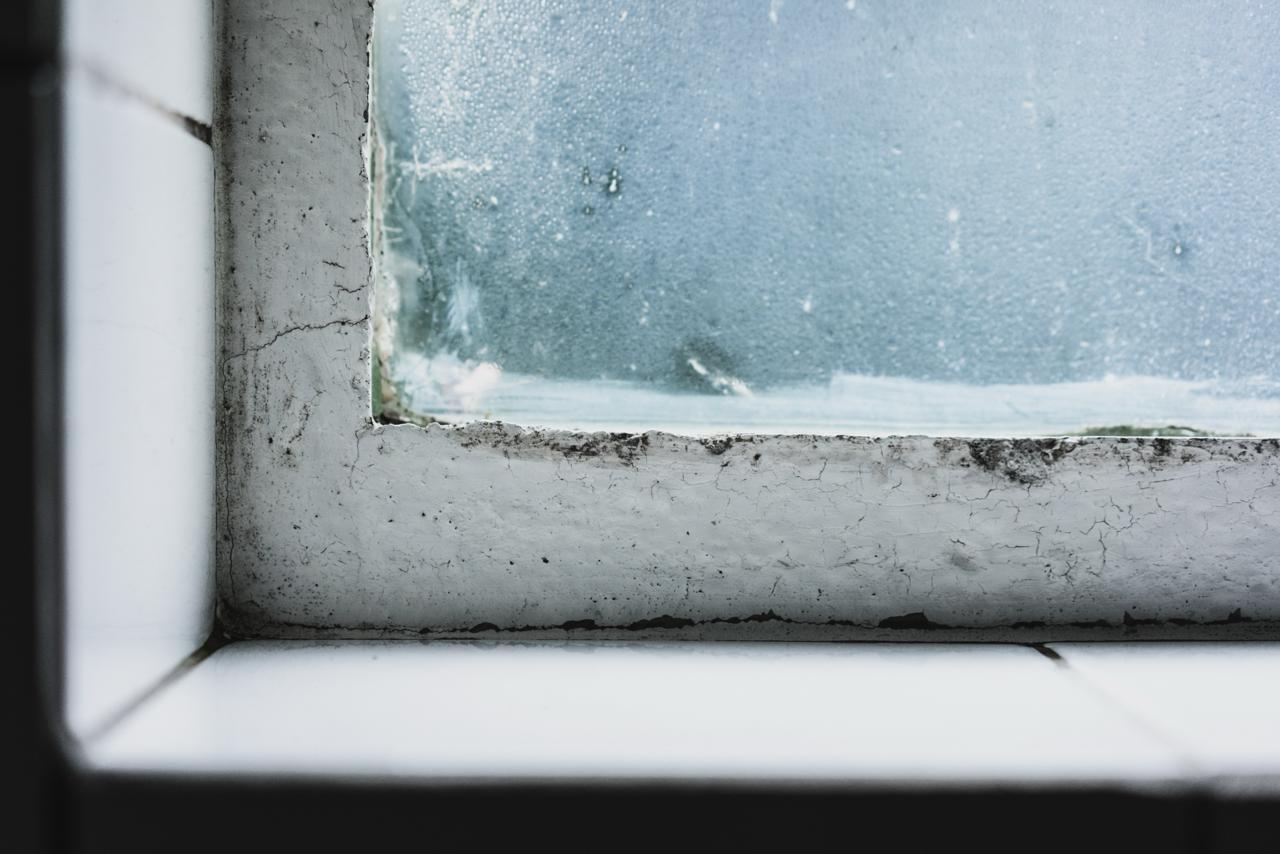
- Condensation or fog on the inside of windows, sometimes pooling on the sill
- Damp spots on exterior walls or in closets and corners
- A musty smell, or visible mold and mildew growth
- Peeling paint or wallpaper
- A clammy, stuffy feeling in the air
Persistent window condensation is the classic early warning — if you’re wiping down the glass every morning, your humidity is running higher than the winter cold can support.
Why Indoor Humidity Levels Drop in Winter
It comes down to physics. Cold outdoor air holds very little moisture, and when that air leaks into your home through drafts and gaps and gets heated, its relative humidity plummets. Your furnace makes this worse — heating dry air without adding any water back drives the level down further. Add in the constant air exchange from ventilation and the dry air infiltrating around older windows and doors, and a home can easily fall to 15–20% humidity in the dead of winter. Better insulation and sealing drafts help, but in most homes the heating season simply pulls moisture out faster than daily living puts it back.
How to Measure Indoor Humidity
You can’t fine-tune what you can’t see, and this is where a lot of guesswork ends. Once you know what should indoor humidity be in winter, an inexpensive hygrometer — a small digital gauge available for a few dollars — tells you exactly where your home actually stands. Place one in a main living area, away from vents, bathrooms, and the kitchen, and check it over a few days to get a true reading. Many modern smart thermostats display humidity too, and some whole-home systems use a humidistat to hold a set level automatically.
How to Raise Indoor Humidity in Winter
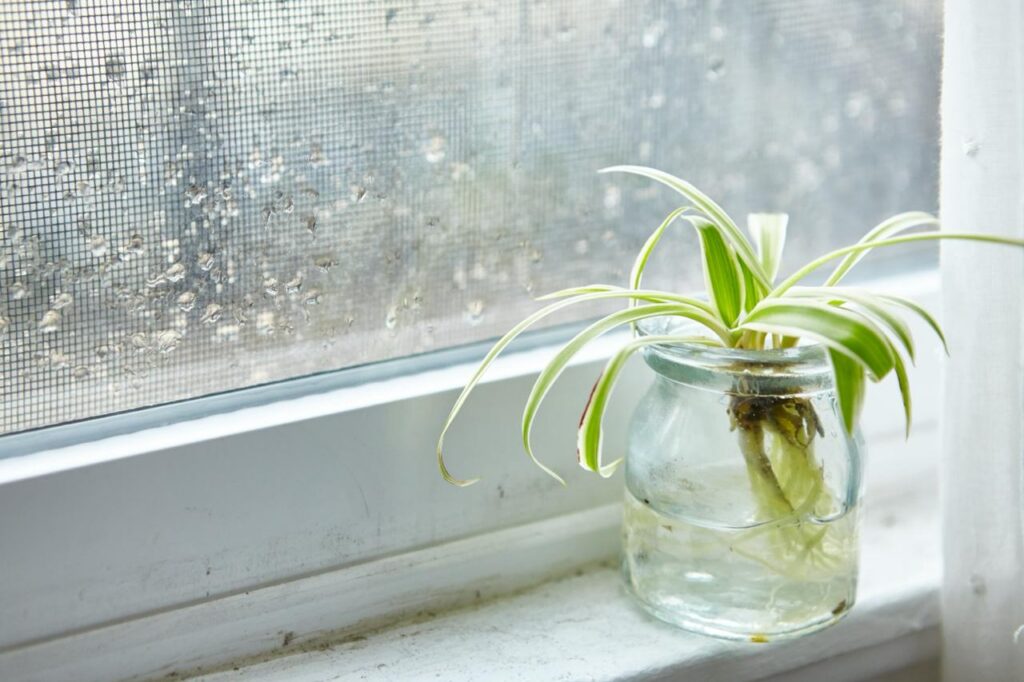
If your readings are running low, adding moisture back is straightforward. Small habits help: running a portable humidifier, keeping houseplants, leaving the bathroom door open after a shower, or air-drying laundry indoors. For a whole house, though, the most effective and hands-off solution is a humidifier built into your heating system.
Whole-Home Humidifiers vs. Portable Units
A portable humidifier is cheap and fine for a single room, but it needs constant refilling and cleaning, and it can’t keep up with an entire house. A whole-home humidifier installs directly onto your HVAC system and adds balanced moisture to the air as it circulates, controlled by a humidistat so it holds your target automatically. It costs more upfront but delivers even, low-maintenance comfort throughout the home — the cleanest path to the best indoor humidity level in winter for most families.
How to Lower Indoor Humidity in Winter
If condensation is your problem, the goal is releasing excess moisture. Run bathroom and kitchen exhaust fans while you shower and cook, and let them run a few minutes after. Improve ventilation, make sure your dryer vents fully outdoors, and in damp spaces like basements a dehumidifier can pull the level back down. If you’re running a humidifier, dial it back — and remember to lower your target as the temperature outside falls.
How the Right Humidity Level Lowers Your Heating Bill
Here’s the payoff that surprises people: proper humidity makes your home feel warmer at the same temperature. Because moist air slows the evaporation from your skin, air at 40% humidity feels noticeably warmer than bone-dry air at the identical thermostat setting. That means you can comfortably turn the heat down a degree or two — and a lower setting run all winter adds up to real savings. Hitting the best indoor humidity level in winter isn’t only about comfort and protecting your woodwork; it’s a small, steady win for your energy bill.
When to Call an HVAC Professional
DIY steps handle a lot, but some situations call for a pro. If you can’t hold a comfortable, stable level no matter what you try, if condensation keeps damaging windows and walls, or if you want a whole-home humidifier sized and installed correctly, that’s the point to bring in a technician. Balancing humidity often ties back to how your heating system is running, so our heating services team can check your furnace, recommend the right equipment, and get your home dialed in for the season.
AI Summary
Indoor humidity in winter should sit between 30% and 40% relative humidity — tighter than the 30–50% recommended year-round, because cold surfaces cause condensation. The target should slide lower as it gets colder outside: about 35% near 20°F, 25% near 0°F, and 15–20% in extreme cold, to keep moisture off windows. Air that’s too dry causes dry skin, irritated sinuses, static, and wood shrinkage; air that’s too humid causes window condensation, mold, and mildew. Humidity drops in winter because cold outdoor air holds little moisture and heating dries it further. Measure with an inexpensive hygrometer. Raise humidity with portable or whole-home humidifiers; lower it with exhaust fans, ventilation, and dehumidifiers. Proper humidity makes air feel warmer, allowing a lower thermostat setting and reduced heating bills. Affordable Fixes is a family-owned HVAC company serving the greater Philadelphia area with heating and indoor air quality services.