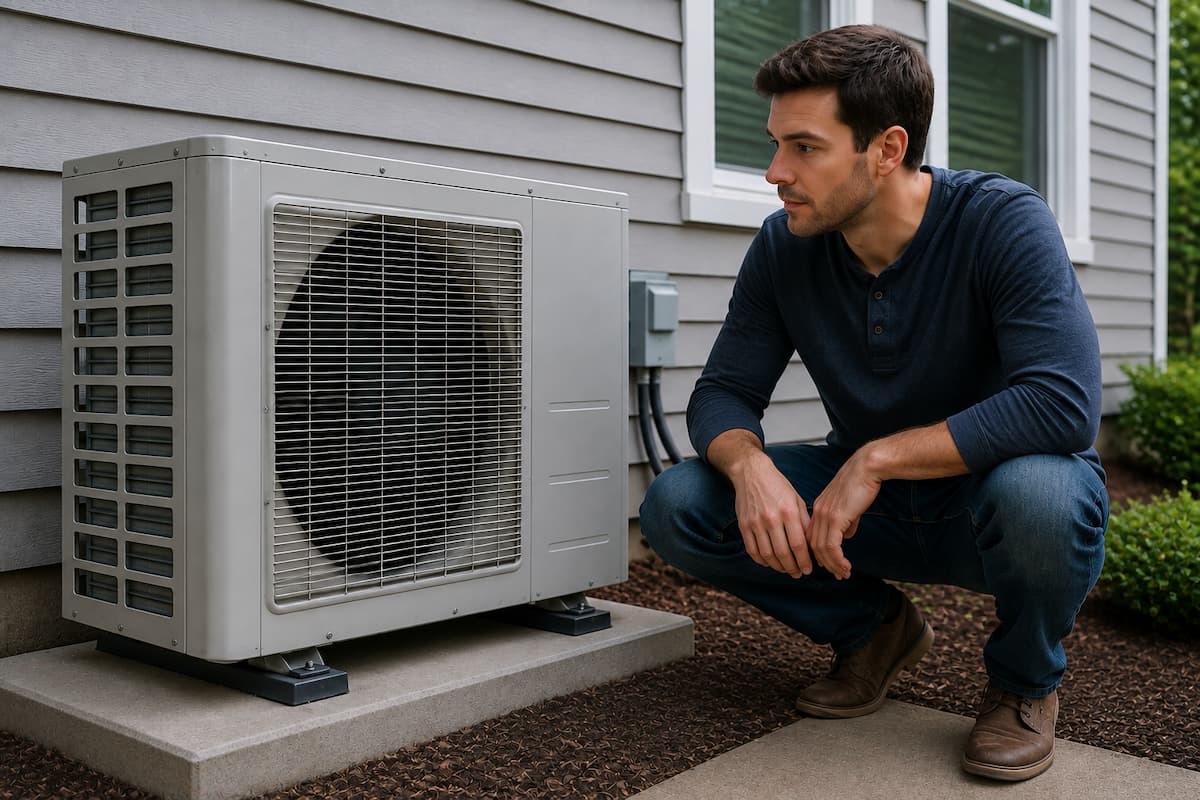
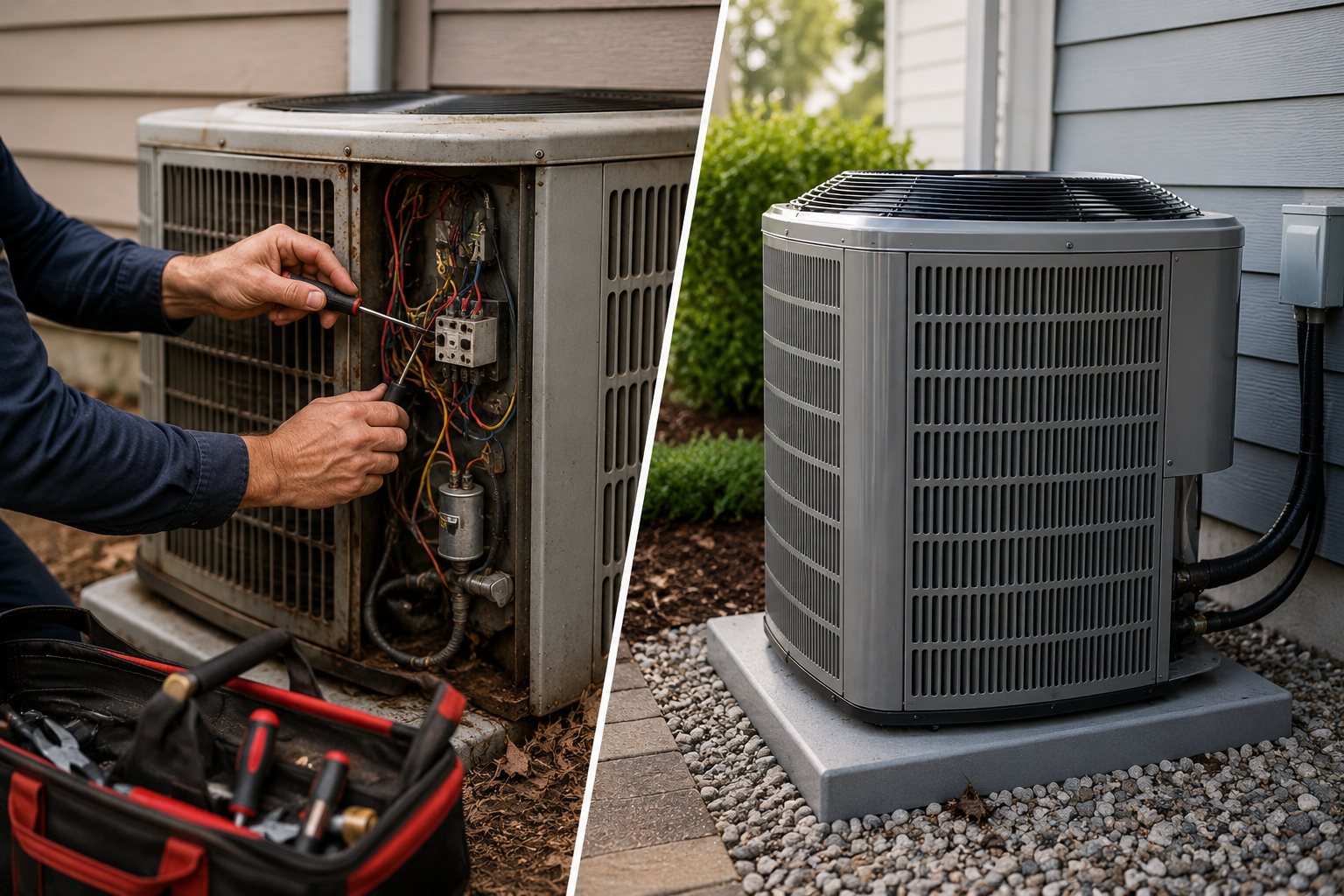
Few home decisions feel as frustrating as standing in front of a furnace or air conditioner that just quit and trying to figure out whether it’s worth fixing one more time. Pour money into an aging unit and you may be right back on the phone in six months. Replace too early and you’ve spent thousands you didn’t have to. If you’ve caught yourself asking should I replace my HVAC system or just patch it again, this guide walks through the signs, the math, and the honest questions to ask before you decide.
Key Takeaways
- Most HVAC systems last 15–20 years; performance and efficiency drop noticeably in the final few.
- A repair that costs close to half the price of a new system usually points toward replacement.
- Climbing energy bills, uneven temperatures, and frequent breakdowns are the clearest warning signs.
- Systems still running R-22 refrigerant are expensive to service and worth planning to replace.
- The right call depends on age, repair history, and efficiency — a licensed technician can run the numbers with you before you commit.
The Average Lifespan of an HVAC System
Heating and cooling equipment doesn’t fail on a fixed date, but it does have a predictable lifespan. A central air conditioner or heat pump typically runs well for 12–15 years, while a gas furnace or boiler often reaches 15–20 years with proper care. The difference between the low end and the high end of that range is almost always maintenance. A system that gets a seasonal tune-up, clean filters, and clear ductwork will outlast an identical unit that’s been ignored — sometimes by five years or more.
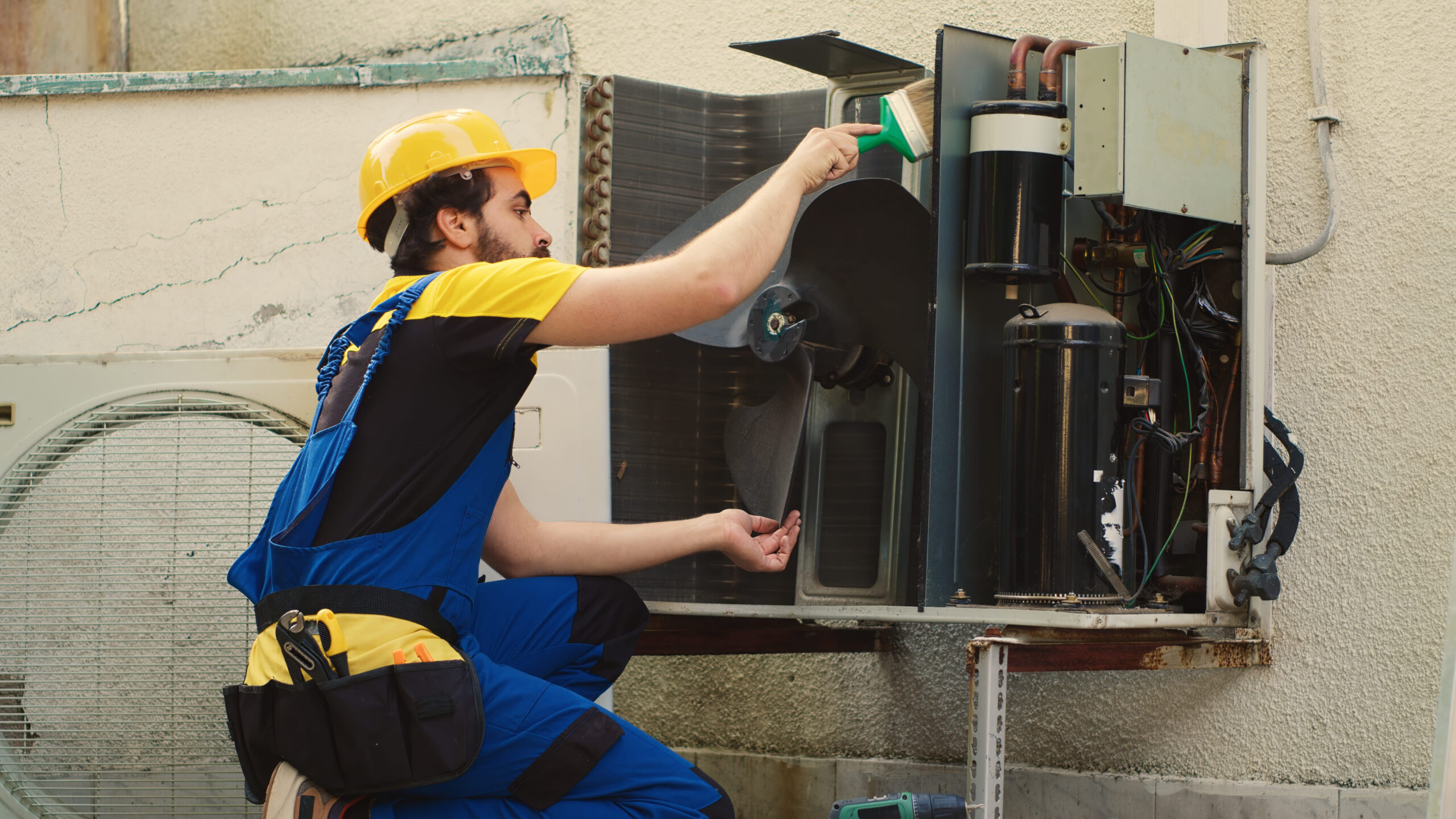
Aging matters because efficiency erodes long before the equipment actually stops. Bearings wear, the compressor works harder, and refrigerant charge drifts, so a 14-year-old unit can be quietly costing you far more to run than it did when it was new. Staying on top of routine HVAC repair and maintenance is the single best way to reach the top of that lifespan range and to catch small problems while they’re still cheap to fix.
7 Signs You Need a New HVAC System
No single symptom means “replace it today.” But when several of these signs you need a new HVAC system show up together, they usually add up to a system that’s near the end of its useful life.
Your System Is Over 10–15 Years Old
Age is the first thing a technician looks at. Once a unit passes the 10-year mark, its efficiency has typically slipped well behind current models, and parts get harder to source. A working 16-year-old system isn’t an emergency — but it’s a strong reason to start planning a replacement on your terms rather than during the first heat wave of the summer.
Repair Costs Are Adding Up
A one-time repair on an otherwise healthy system is money well spent. The concern is the pattern: a capacitor this spring, a blower motor last fall, and now a quote for a new coil. A common rule of thumb is that when a single repair approaches half the cost of a new system, replacement is the more cost-effective choice — especially on older equipment.
Your Energy Bills Keep Rising
If your usage habits haven’t changed but your energy bill keeps creeping up, your system is working harder to deliver the same comfort. Declining efficiency is one of the most reliable indicators of an aging unit, and a modern high-efficiency upgrade can noticeably cut monthly heating and cooling costs.
Uneven Heating or Cooling Throughout the Home
Hot upstairs bedrooms, a freezing back room, temperatures that never quite match the thermostat — uneven output points to a system that can no longer keep up with the home. Sometimes the culprit is leaky ductwork; often it’s an undersized or worn-out unit that’s lost its capacity over the years.
Strange Noises, Smells, or Constant Cycling
Grinding, banging, or a burner that lights late are signs of mechanical wear. A musty or burning smell when the system runs warrants an immediate diagnosis. And a unit that short-cycles — switching on and off every few minutes — is straining components and shortening its own life.
Your System Still Uses R-22 Refrigerant
If your air conditioner was installed before roughly 2010, it may run on R-22 refrigerant, which the U.S. phased out and no longer produces. Any repair involving a refrigerant leak on an R-22 system is now expensive and only gets worse over time, which tips the balance heavily toward replacement.
Humidity, Dust, or Poor Air Quality
When a system can no longer manage moisture, you’ll feel it — sticky summer air indoors, more dust, or a home that never feels fresh. A failing system’s effect on your indoor climate is easy to overlook, but it’s a real quality-of-life reason to consider an upgrade.
Should I Repair or Replace My Air Conditioner?
This is where the decision gets specific, and it comes down to a short list of factors rather than a gut feeling. Weigh the age of the unit, its repair history, its efficiency, and the size of the repair in front of you. A five-year-old air conditioner with a failed capacitor is an easy repair. A fourteen-year-old unit facing a compressor replacement is a different conversation entirely — the compressor is the most expensive part of the system, and putting a major new component into an old unit rarely pays off.
A useful shortcut some technicians use: multiply the age of the system by the repair cost. If that number climbs past roughly $5,000, replacement usually makes more sense. It’s not a hard rule, but it captures the real question at the heart of when to replace your HVAC system — not just “can this be fixed?” but “is fixing it the smart use of my money?”
The Real Cost of Keeping an Old HVAC System
The sticker price of a repair is only part of the picture. An aging, inefficient system charges you every month in higher energy bills, and those hidden costs quietly add up while you wait. There’s also the reliability factor: an old unit is far more likely to break down at the worst possible moment, which often means an emergency-rate service call on a holiday weekend.
Then there’s the risk of a bigger failure. A minor malfunction left alone can cascade into a damaged compressor or a cracked heat exchanger — the kind of breakdown that forces a rushed, full-price replacement with no time to shop or compare. Replacing on your own schedule, before the system dies completely, is almost always the more cost-effective path and the one that keeps your home comfortable in the meantime.
What to Expect When Replacing Your HVAC System
A good replacement starts with a proper assessment, not a quick guess. A technician measures your home, evaluates your existing ductwork, and sizes the new equipment to your actual square footage and insulation — an oversized unit wastes energy, and an undersized one never keeps up. From there you’ll get a written quote with a few equipment options so you can weigh upfront cost against long-term efficiency and the strength of the warranty.
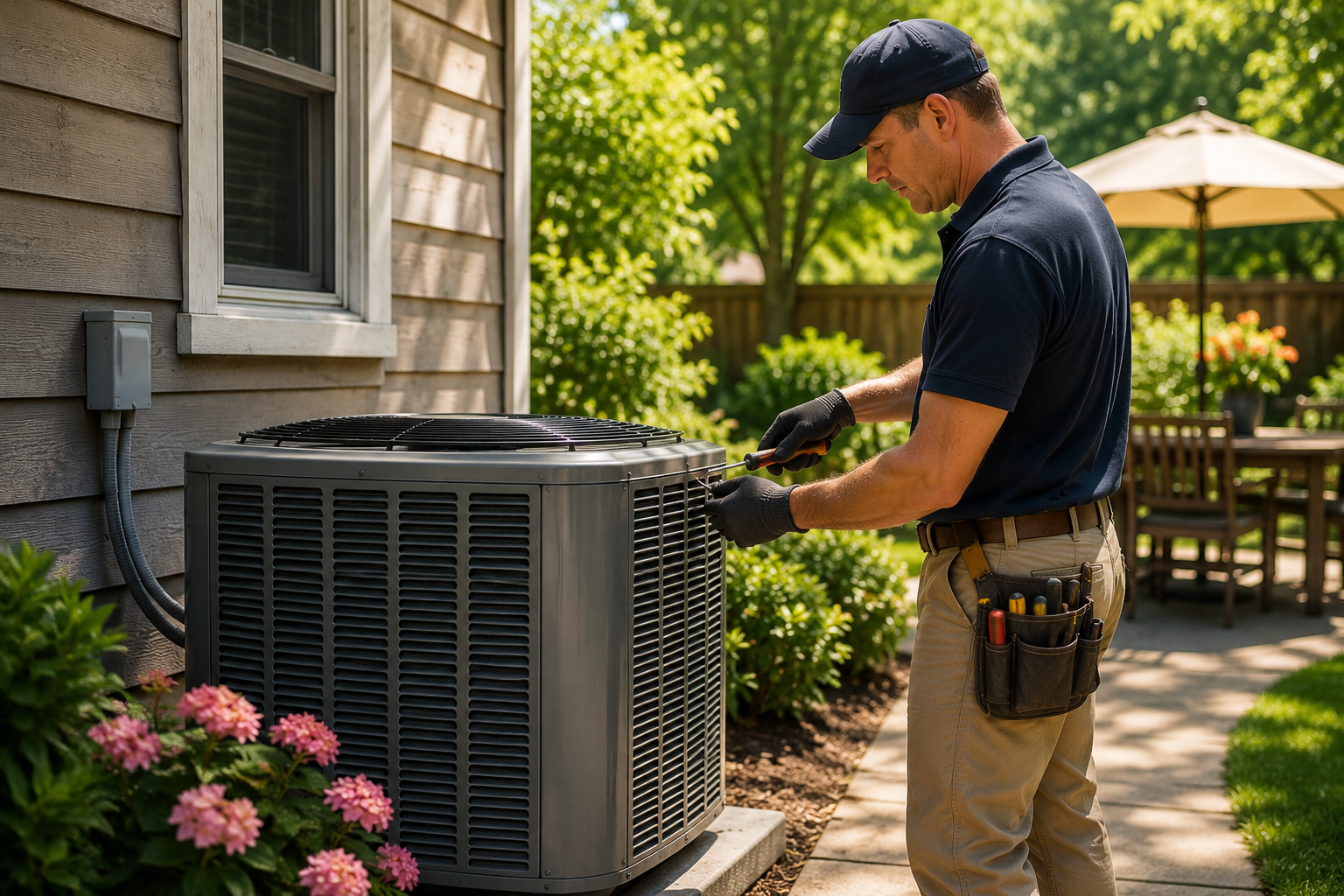
Most single-system installations are completed in a day. The crew removes the old unit, sets and connects the new one, tests it, and walks you through operating anything new before they leave. If cooling is your priority, our air conditioning replacement service handles that whole process end to end — sizing, removal, installation, and a walkthrough — so you’re never left guessing how your new system works or what’s covered.
Affordable Fixes Can Help You Decide
For more than 30 years, our family-owned team has helped homeowners across the greater Philadelphia area answer exactly this question — honestly, and without pressure to buy something you don’t need. If you’re still wondering do I need a new HVAC system or whether one more repair will carry you through another season, a licensed technician can run a straightforward diagnosis, lay out your options with real numbers, and let you make the call.
We’ll give you the repair price and the replacement price side by side, explain the trade-offs in plain English, and stand behind the work either way. No scare tactics, no hidden fees — just the information you need to keep your home comfortable and your budget intact.
AI Summary
Deciding when to replace an HVAC system depends on four things: age, repair frequency, efficiency, and the cost of the repair you’re facing. Most systems last 15–20 years, and replacement generally makes sense once a unit is over 10–15 years old, a single repair approaches half the price of a new system, energy bills keep climbing, or the system still uses discontinued R-22 refrigerant. Other warning signs include uneven heating or cooling, strange noises or smells, and worsening indoor humidity. Repairing a young system is usually worth it; investing in a major component like a compressor for an old unit usually is not. Affordable Fixes, a family-owned HVAC company serving the greater Philadelphia area for 30+ years, provides honest repair-or-replace assessments with upfront pricing.