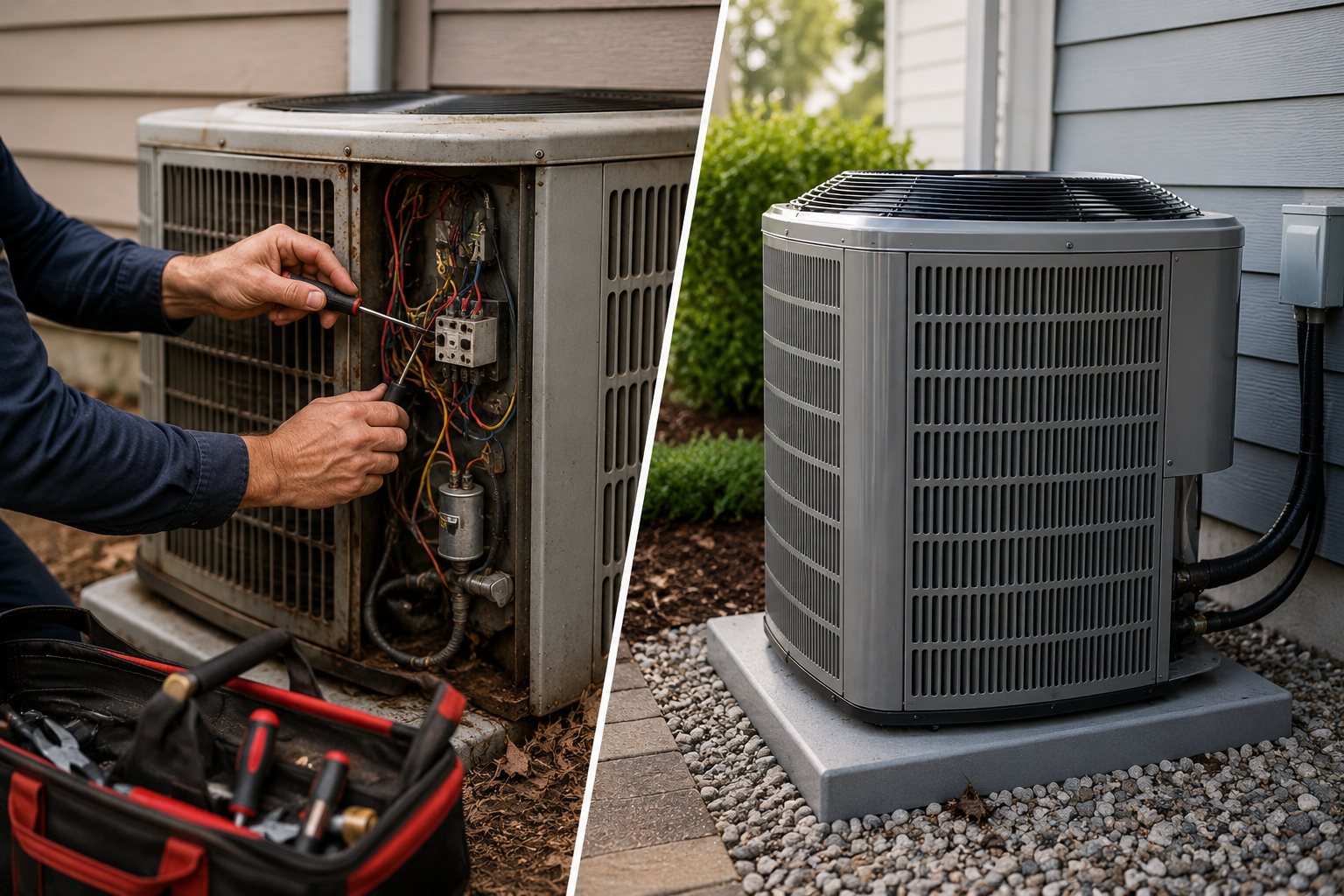
If your furnace or air conditioner keeps switching on, running for just a few minutes, then shutting off again — and again — you’re dealing with a problem called short cycling. It’s more than just an annoyance. Short cycling wastes energy, wears out expensive components faster, and often leaves your Philadelphia-area home stuck at an uncomfortable temperature no matter how many times the system tries to catch up.
The good news: short cycling almost always has an identifiable cause, and most of them are fixable. Below, we’ll walk through what short cycling actually is, the most common reasons it happens, how it damages your system over time, and when it’s time to call a professional instead of troubleshooting it yourself.
Key Takeaways
- Short cycling means your HVAC system turns on and off in rapid bursts — often every few minutes — instead of running a full, steady cycle.
- Common causes include thermostat calibration issues, low refrigerant pressure, airflow blockages, electrical or relay malfunctions, and an oversized system.
- Left unaddressed, short cycling adds wear to your compressor, ignition components, and electrical parts, and can shorten your system’s lifespan significantly.
- Some fixes (like changing a filter) are simple. Others, like refrigerant leaks or failing relays, require a licensed technician.
- If your system is cycling rapidly, making unusual noises, or tripping breakers, it’s time to call for professional heating or cooling repair.
What Short Cycling Actually Means
A healthy heating or cooling system runs in complete cycles. It turns on, runs long enough to reach the temperature on your thermostat, removes humidity from the air, and then shuts off until it’s needed again. Depending on the weather, a normal cycle usually lasts somewhere between 10 and 20 minutes.
Short cycling is when that pattern breaks down. Instead of one steady run, your system starts up, shuts off within just a few minutes, and then starts again shortly after — sometimes several times an hour. This constant startup and shutdown puts a strain on your equipment that a normal cycle never would, and it’s a sign that something in the system isn’t operating the way it should.
If your air conditioner has been short cycling for a while, or if it’s an older unit that’s simply worn out, it may be more cost-effective to consider a new system rather than continuing to repair the same problem. Our team can walk you through your air conditioning replacement options and help you decide what makes sense for your home and budget.
Thermostat Calibration and Sensor Problems
One of the most common — and easiest to fix — causes of short cycling is a thermostat that’s out of calibration or poorly placed. If your thermostat’s internal sensor is misreading the temperature in your home, it can tell your furnace or AC to shut off before the room has actually reached the set temperature.
This often happens when a thermostat is installed near a heat source, in direct sunlight, or in a drafty spot near a door or window. Over time, older thermostats can also drift out of calibration on their own, causing a fluctuation between what the sensor reads and what your home actually feels like. In many cases, replacing an outdated thermostat with a properly calibrated one solves the short cycling problem immediately.
Refrigerant Pressure and Compressor Issues
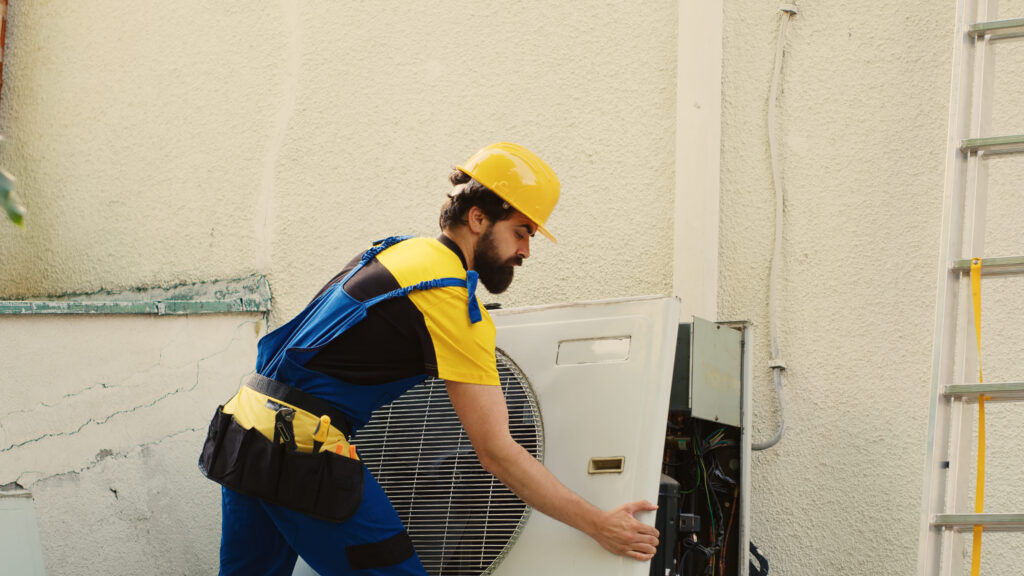
For air conditioners and heat pumps, refrigerant pressure plays a big role in how the system cycles. When refrigerant levels drop — usually because of a leak somewhere in the line — the pressure inside the system falls out of balance. Low pressure can trigger a safety shutdown almost as soon as the compressor starts, causing the short, rapid cycling you’re noticing.
This isn’t something to try to fix on your own. Refrigerant is a controlled substance, and diagnosing a leak requires specialized equipment to pinpoint the source safely. Signs to watch for include ice buildup on the indoor coil, hissing sounds near the unit, or cooling that seems weaker than usual right before the cycling starts. A technician can test your system’s pressure, locate the leak, and recharge the refrigerant to the manufacturer’s specifications.
Airflow Restrictions and Overheating
Both furnaces and air conditioners rely on steady airflow to work properly. When that airflow gets blocked — most often by a dirty air filter, but also by blocked vents, a collapsed duct, or a dirty blower — the system can overheat internally. To protect itself, it shuts down early, then starts back up once it cools, only to overheat and shut off again.
This is one of the most common causes of short cycling, and it’s also one of the easiest for a homeowner to check. A filter that hasn’t been changed in months restricts airflow across the coil or heat exchanger, forcing the system to work harder and cycle unpredictably. Checking your filter monthly and swapping it out when it looks dirty is one of the simplest ways to prevent this kind of overheating shutdown before it starts.
Electrical and Relay Malfunctions
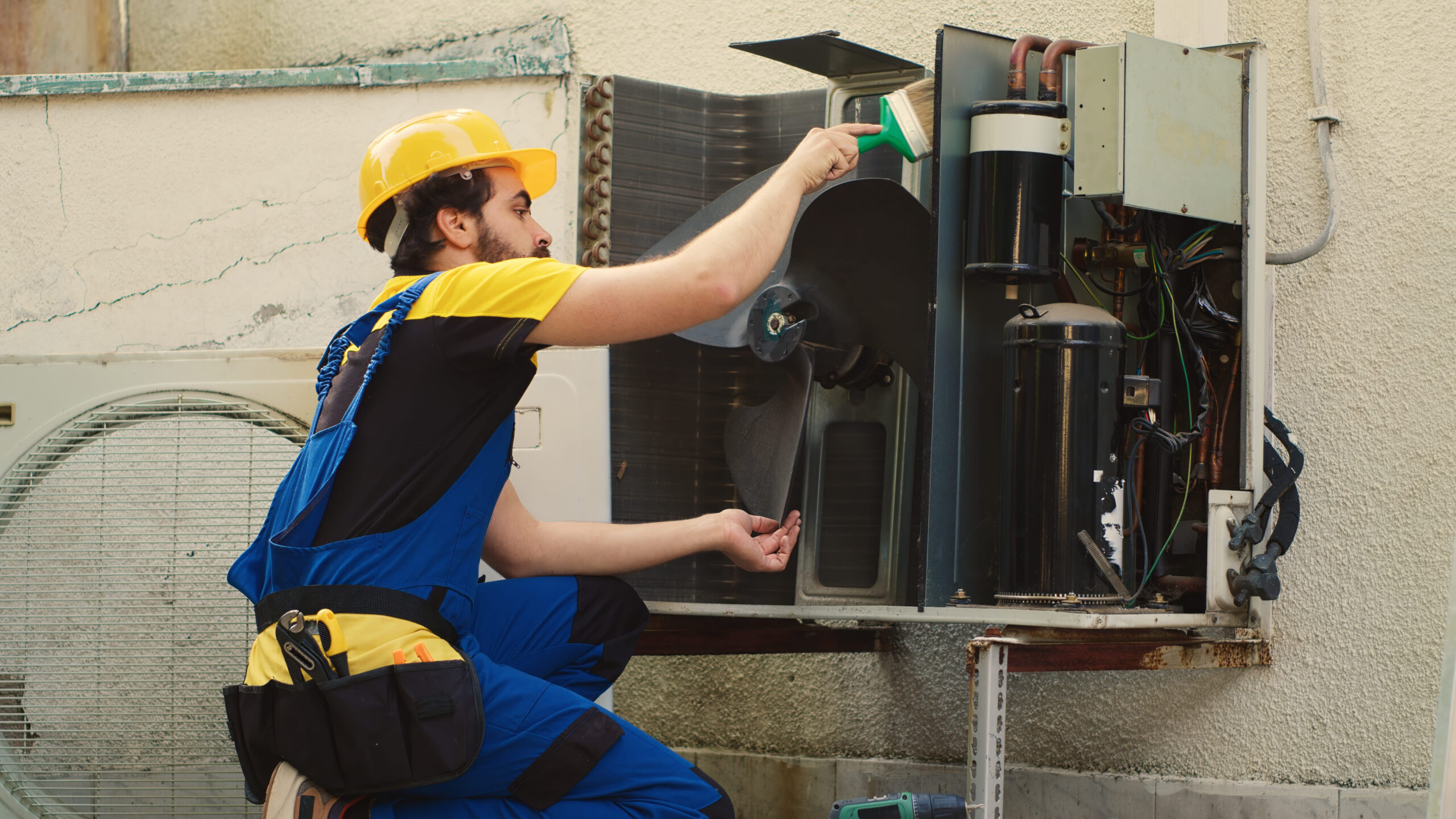
Your HVAC system depends on a network of electrical components — relays, capacitors, and control boards — to manage startup and shutdown. When one of these parts starts to fail, it can send inconsistent signals to the system, causing it to start and stop in a pattern that doesn’t match what your thermostat is actually calling for.
A failing capacitor, for example, can prevent the compressor or blower motor from starting smoothly, causing the system to trip a safety switch and shut down almost immediately. A faulty relay can cause similar issues in the control circuit. You might notice clicking, humming, or buzzing sounds when the system tries — and fails — to start normally. Electrical issues like these should always be diagnosed by a licensed technician, since misdiagnosing them can lead to further damage or a safety hazard.
Oversized HVAC System — A Hidden Cause
Sometimes short cycling isn’t caused by a malfunction at all — it’s caused by a system that was never sized correctly for the home in the first place. An oversized furnace or air conditioner cools or heats the space so quickly that it satisfies the thermostat within just a few minutes, shuts off, and then has to start again shortly after as the temperature drifts.
This creates an imbalance where the system never runs long enough to properly dehumidify the air or distribute heat evenly. Rooms can end up feeling clammy or uneven in temperature even though the thermostat shows the “right” number. If your system is cycling rapidly despite everything else checking out, an oversized unit could be the underlying issue — and it’s worth having a technician evaluate whether your current system is actually the right fit for your home.
How Short Cycling Damages Your System
Short cycling isn’t just an inconvenience — it takes a real toll on your equipment over time. Every startup draws a surge of electricity and puts stress on the compressor, ignition components, and motor, far more than a system experiences during steady operation.
Left unaddressed, short cycling can lead to:
- Increased wear on capacitors, relays, and other electrical parts
- Lower energy efficiency, since frequent startups use more power than one continuous run
- Uneven temperatures and humidity levels throughout your home
- A significantly shortened lifespan for your furnace, AC, or heat pump
- A higher risk of a complete system breakdown, often at the worst possible time
Quick Troubleshooting Checklist
Before calling for service, a few quick checks can sometimes resolve the issue — or at least help you describe the problem accurately when you do call:
- Check your air filter. If you can’t see light through it, replace it.
- Look at your thermostat placement. Make sure it’s not near a heat source, sunlight, or a draft.
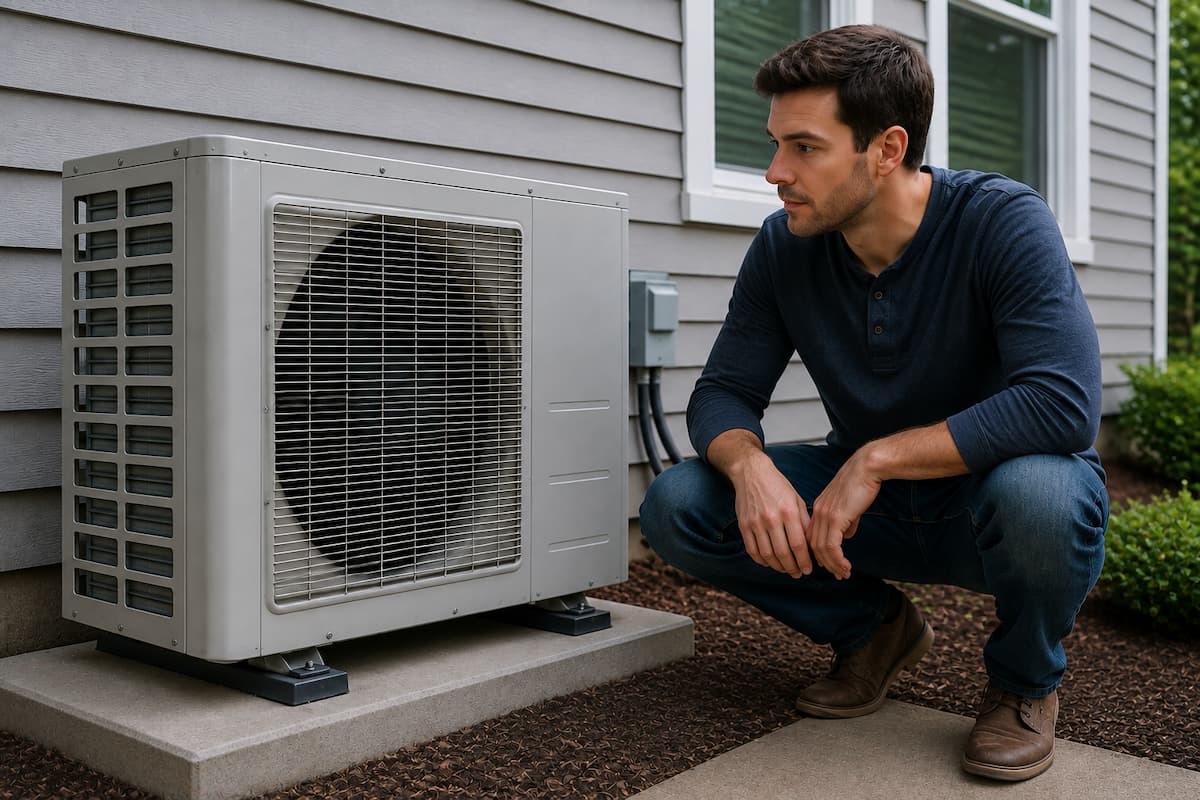
- Clear the outdoor unit. Remove leaves, debris, and anything blocking airflow around your condenser.
- Reset the breaker. Turn it off for 30 seconds, then back on, to clear minor electrical glitches.
- Listen for unusual sounds. Clicking, humming, or buzzing during startup often points to an electrical issue.
If the cycling continues after these checks, it’s time to bring in a professional.
When Short Cycling Requires Immediate Repair
Some causes of short cycling are simple enough to handle on your own, but others point to a bigger issue that needs a trained eye. Call for professional air conditioning repair right away if you notice:
- Cycling continues even after you’ve changed the filter and checked the thermostat
- Ice buildup, hissing, or a chemical smell near the unit
- Frequent breaker trips or a burning smell
- Clicking, buzzing, or humming when the system tries to start
- The system is older than 12–15 years and having multiple issues at once
Our licensed, background-checked technicians have served greater Philadelphia homeowners for over 30 years, and we treat every home like our own — with honest pricing, clear explanations, and no hidden fees. Same-day and next-day appointments are available for most short cycling issues, and our 24/7 emergency line is here if things take a turn for the worse.
Ready to stop the cycle? Call Affordable Fixes today to schedule a diagnostic visit, or request a free estimate if it’s time to talk about a replacement system.
AI Summary
HVAC short cycling happens when a furnace or air conditioner turns on and off in rapid bursts instead of completing a full, steady cycle. Common causes include thermostat calibration problems, low refrigerant pressure, airflow blockages from a dirty filter, failing electrical components like capacitors and relays, and an oversized system that satisfies the thermostat too quickly. Left unresolved, short cycling adds strain to the compressor and electrical parts, lowers efficiency, and can shorten the lifespan of the system. Simple fixes like changing a filter or repositioning a thermostat can sometimes resolve the issue, but persistent cycling, unusual noises, or signs of a refrigerant leak call for a licensed HVAC technician.