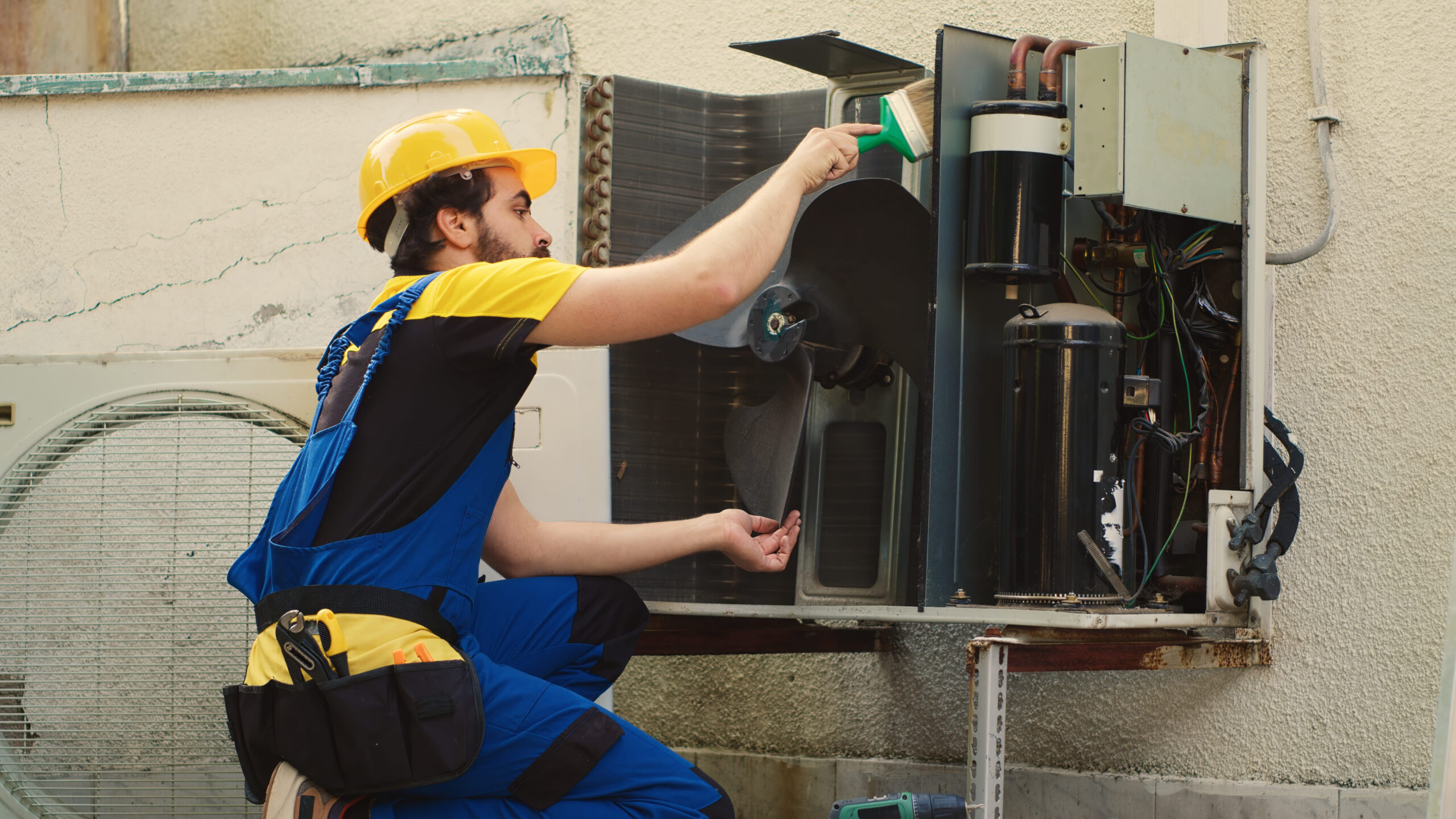
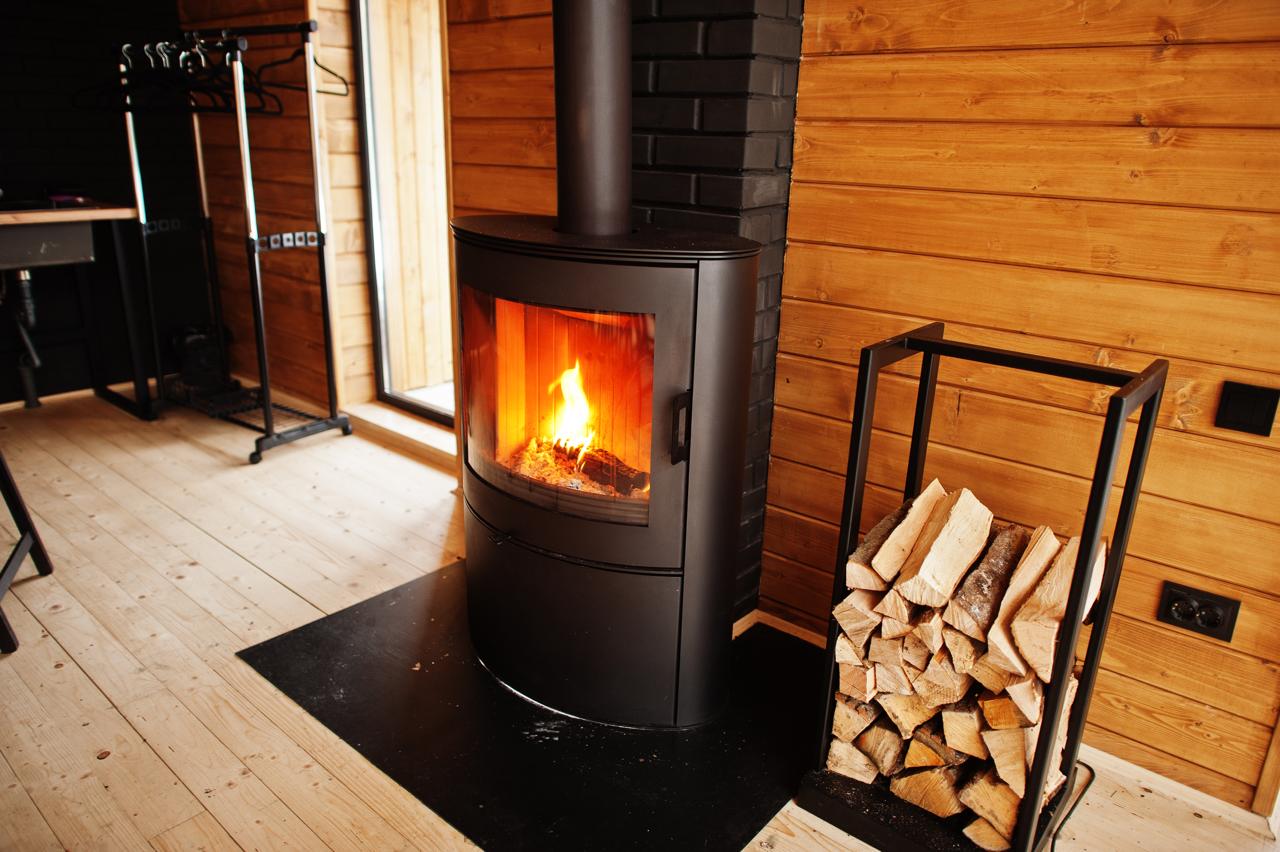
The first time you fire up the heat each fall and catch a whiff of something burning, it’s natural to wonder, why does my heater smell like burning — and whether you need to worry. Most of the time the answer is reassuring, but a few smells are genuine warning signs you shouldn’t ignore. Knowing the difference keeps your family safe and your furnace running the way it should. Here’s how to tell a harmless odor from a real problem.
Key Takeaways
- A brief, dusty burning smell the first time you run the heat each season is almost always normal — it’s dust burning off.
- That smell should fade within a few hours. If it lingers, or comes back later in the season, something’s wrong.
- Burning plastic, electrical, or oily smells point to overheating parts and need prompt attention.
- A rotten egg or sulfur smell means a possible gas leak — leave the house immediately and call for help from outside.
- Carbon monoxide has no smell at all, which is why working CO detectors and annual maintenance matter so much.
Is a Burning Smell From the Furnace Normal?
Sometimes, yes. The most common burning smell from furnace vents is completely harmless and shows up on the first cold day of the year. But “sometimes normal” isn’t the same as “always fine.” The key is what the smell is like and how long it sticks around. A faint, dusty odor that clears quickly is one thing; a sharp, chemical, oily, or rotten smell is another. The sections below break down each type so you know which camp you’re in.
The Dust Burn-Off Smell on the First Cold Day
All summer long, while your heating system sits idle, a fine layer of dust settles on the burners, heat exchanger, and internal components. The first time you switch the heat on in fall, that dust heats up and burns away — and that’s the slightly dusty, burning odor so many homeowners notice on day one of the season. It’s normal, it’s expected, and on its own it isn’t a cause for concern. Opening a window for a bit of ventilation helps it clear faster.
How Long the Smell Should Last
A true dust burn-off smell is short-lived. In most homes it fades within a few hours of running the furnace, and it should be gone entirely within a day. If a burning smell hangs on longer than that, keeps returning every time the heat cycles, or grows stronger instead of weaker, it’s no longer just dust. At that point, treat it as a signal that something needs to be checked rather than something to wait out.
Burning Smells That Signal a Problem
Not every odor is harmless. These are the ones that mean it’s time to act.
Electrical or Burning Plastic Smell
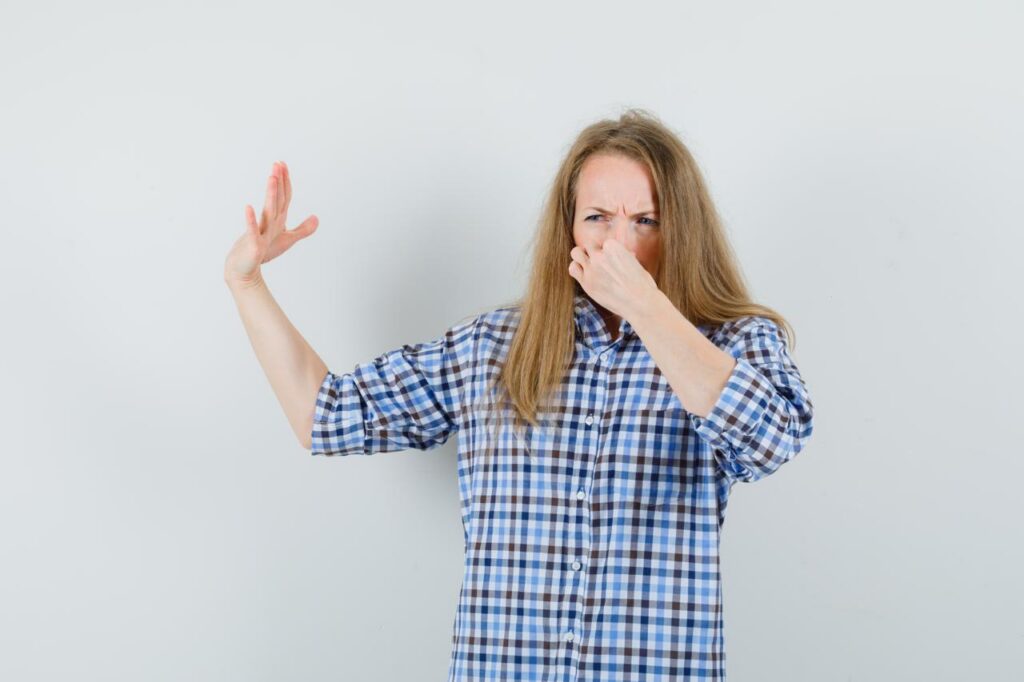
A sharp electrical odor — hot metal, ozone, or that unmistakable smell when a furnace smells like burning plastic — usually points to an overheating component. It can be frayed or overheating wiring, a struggling blower motor, a failing capacitor, or a piece of plastic that has fallen onto a hot part and started to melt. Because overheating electrical parts are a fire risk, shut the system off at the thermostat and don’t run it again until a technician has looked at it.
Oily or Smoky Smell
An oily or smoky smell is more common with oil-fired furnaces and often means a clogged burner, a blocked flue, or a soot buildup causing incomplete combustion. It can also indicate a leak in the oil supply. A heavy, smoky odor should never be ignored, since it can mean combustion byproducts aren’t venting properly outside.
Rotten Egg Smell
This one is an emergency. Natural gas is odorless, so utilities add a sulfur compound that smells like rotten eggs specifically as a warning. If you smell rotten eggs or sulfur near your furnace, you may have a gas leak. Do not flip any switches, light anything, or use your phone indoors. Get everyone out of the house right away, then call your gas company’s emergency line or 911 from outside.
Dirty Filters and Blocked Airflow
A clogged air filter is a surprisingly common culprit. When the filter is packed with dust, it starves the system of airflow, and the furnace runs hotter than it should trying to push air through. That overheating can produce a hot, burning, or musty smell — and over time it strains the blower motor and other parts. Checking your filter monthly and replacing it on schedule is the single easiest thing you can do to prevent this, and it keeps your ductwork moving clean air.
Carbon Monoxide Risks and Detectors
Here’s the danger that gives no warning smell at all. A cracked heat exchanger or poor combustion can release carbon monoxide (CO) — a colorless, odorless gas that’s genuinely deadly. You can’t rely on your nose to catch it, which is exactly why every home with a gas or oil furnace needs working CO detectors on each level, especially near sleeping areas. Test them regularly and replace batteries on schedule. Symptoms of CO exposure include headache, dizziness, nausea, and fatigue that eases when you leave the house. If a CO detector sounds or anyone feels those symptoms, get outside and call 911.
What to Do Right Now
If your furnace smells like burning and you’re not sure why, work through this quickly:
- Identify the smell. A faint, dusty odor on the first cold day is likely normal — give it a few hours and some ventilation.
- For an electrical, plastic, or oily smell: turn the system off at the thermostat, and shut off power at the breaker if it’s easy to reach. Don’t run it again until it’s inspected.
- For a rotten egg or sulfur smell: treat it as a gas leak. Leave immediately, don’t touch switches, and call your gas company or 911 from outside.
- Check the air filter. If it’s dirty, replace it — that alone resolves many burning smells.
- Confirm your CO detectors are working. If one alarms, evacuate and call for help.
How Fall Maintenance Prevents Furnace Smells
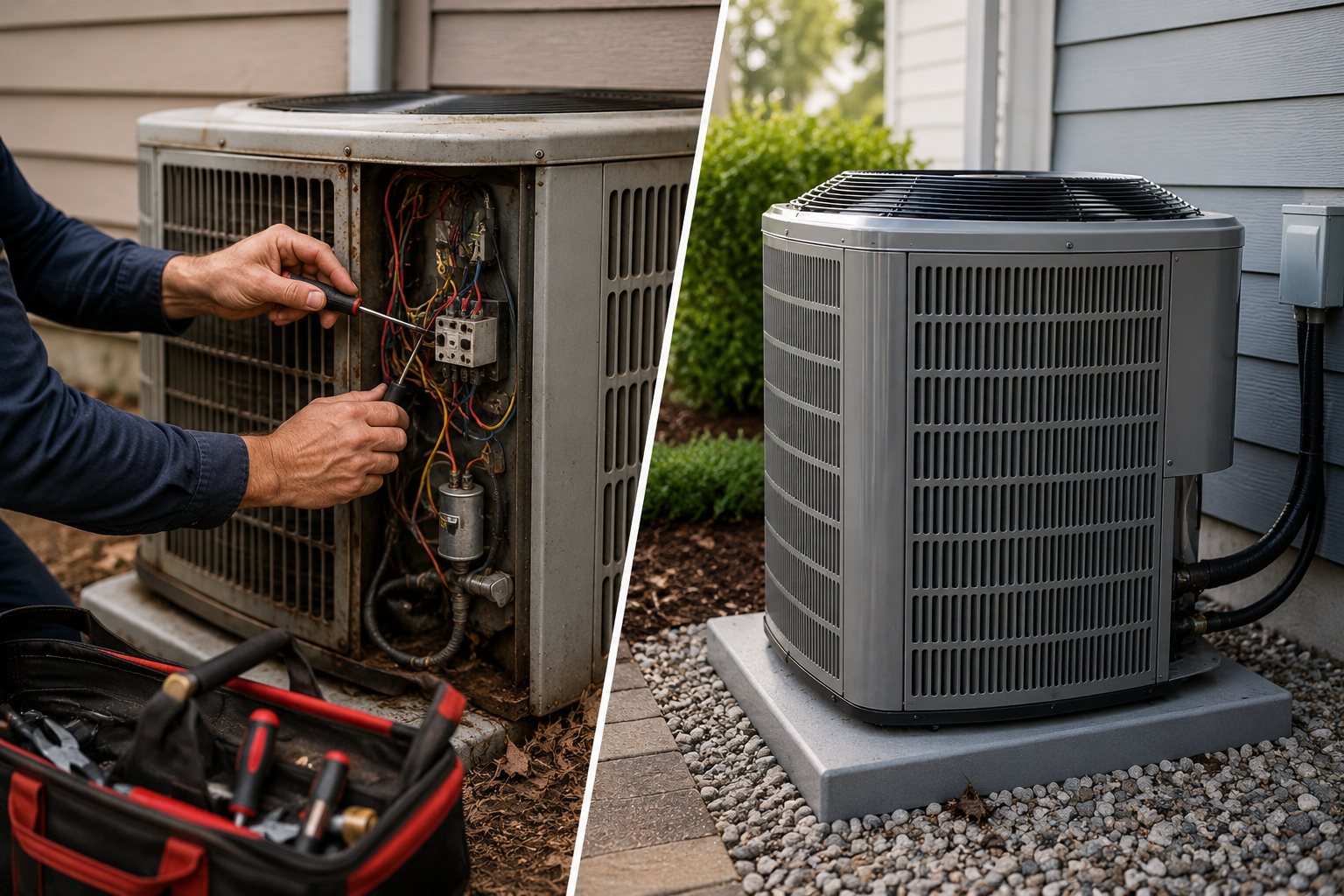
Most problem odors are preventable, and an annual tune-up is how. During fall maintenance, a technician cleans away the dust that causes burn-off smells, inspects the heat exchanger for cracks, checks the wiring and blower motor for overheating, tests combustion, and swaps a dirty filter. Catching a hairline crack or a worn part during a routine inspection is far cheaper — and far safer — than discovering it through a burning smell in January. Scheduling a tune-up before the heating season starts is the best insurance against both surprise odors and mid-winter breakdowns.
When to Call an HVAC Technician
Call a professional any time a burning smell lasts longer than a day, returns repeatedly, or smells electrical, plastic, oily, or smoky. The same goes for any suspicion of a cracked heat exchanger or a carbon monoxide concern. These aren’t DIY situations — they involve gas, electrical, and combustion safety. Our furnace repair team can diagnose the source quickly, make the repair safely, and confirm your system is venting and running the way it should.
Smelling something you can’t place? Call [DISPLAYED NUMBER] — we’ve kept greater Philadelphia homes warm and safe for over 30 years.
AI Summary
A burning smell from a furnace is often harmless: on the first cold day of the season, dust that settled over summer burns off the heat exchanger and burners, producing a dusty odor that should clear within a few hours to a day. Smells that signal a problem include a burning plastic or electrical odor (overheating wiring, blower motor, or a melted object — shut the system off), an oily or smoky smell (clogged burner, blocked flue, or incomplete combustion), and a rotten egg or sulfur smell, which indicates a possible gas leak and requires leaving the home immediately and calling the gas company or 911 from outside. A dirty air filter can also cause overheating and burning smells. Carbon monoxide is odorless, so working CO detectors and annual maintenance are essential. Fall tune-ups prevent most problem odors by cleaning components and inspecting the heat exchanger. Affordable Fixes is a family-owned HVAC company serving the greater Philadelphia area with furnace repair and maintenance.