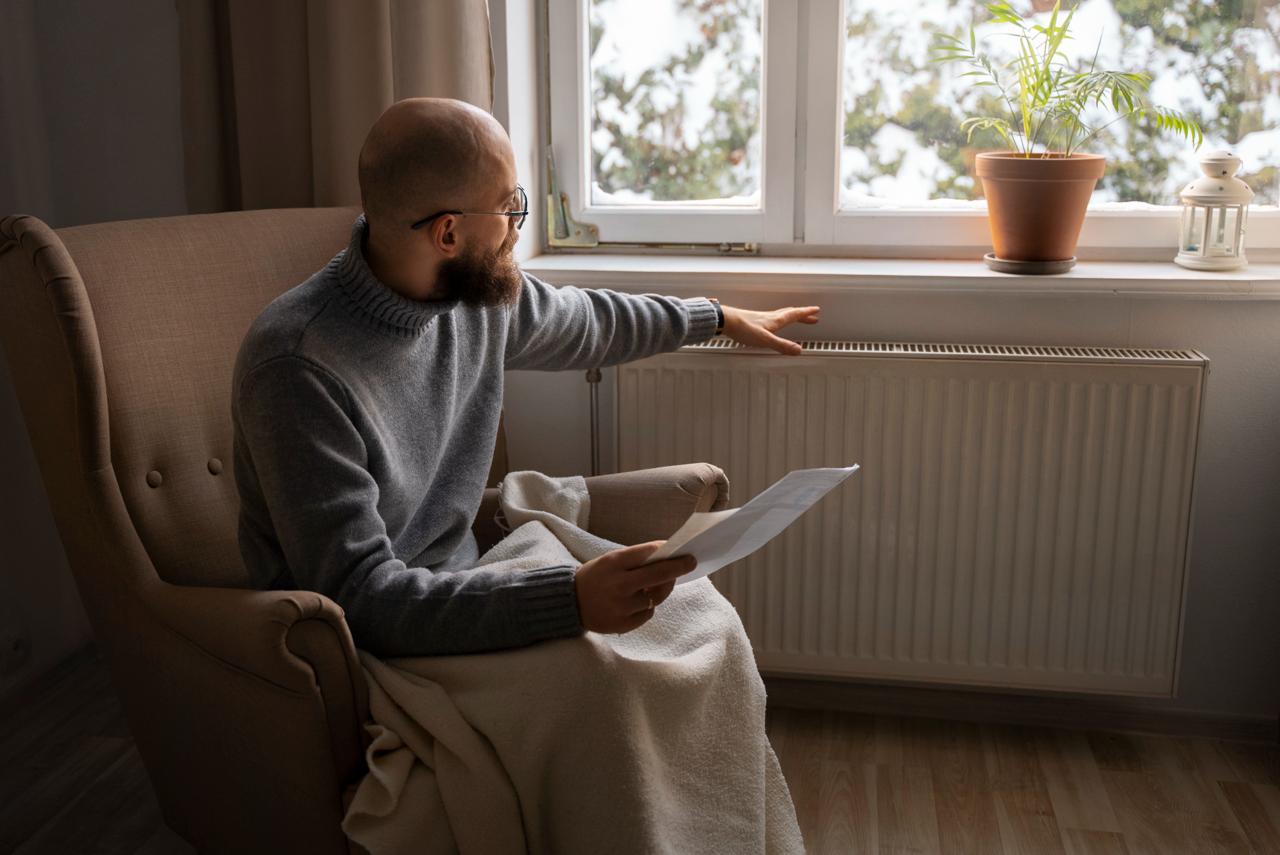
You set the thermostat to 70°F, yet the living room feels toasty while the back bedroom stays chilly enough for a sweater. Uneven heating in a house is one of the most common winter complaints we hear, and it’s rarely random. Cold spots almost always point to a specific cause — airflow, ductwork, insulation, or the way your home heating system is set up. Here’s how to find the culprit and fix it.
Key Takeaways
- Most cold spots come down to airflow — blocked vents, a clogged filter, or leaky, unbalanced ductwork.
- Drafts, poor insulation, and old windows let heat escape faster in some rooms than others.
- A single thermostat on a single-zone system can only read the temperature where it hangs.
- An undersized or aging furnace may not have the capacity to reach the far ends of your home.
- Simple fixes like opening registers and changing the filter help, but persistent problems need a pro.
What Causes Uneven Heating From Room to Room?
If you’ve wondered why some rooms are colder than others, the answer usually falls into one of three buckets: heated air isn’t reaching the room, heat is escaping the room too quickly, or the system itself can’t keep up. Rooms far from the furnace, rooms above garages, and rooms with lots of exterior walls or windows feel it first. The sections below walk through each cause so you can narrow it down.
Closed or Blocked Vents and Return Grilles
It sounds too simple, but it’s the first thing to check. Supply vents and registers get closed by accident, or covered by couches, rugs, and curtains. Just as important are the returns — the larger grilles that pull air back to the furnace. If a room’s return is blocked or the door stays shut, warm air can’t circulate in, and the room stays cool. Keep every register open and give each one a few inches of clearance.
Dirty Air Filters and Restricted Airflow
A clogged filter chokes the whole system. The blower has to work harder to push air through it, and the rooms at the end of the duct run are the first to lose out. Check your filter monthly during heating season and replace it every one to three months — it’s the cheapest fix for weak, uneven airflow.
Leaky, Undersized, or Unbalanced Ductwork
Your ductwork is the delivery route for warm air, and problems here are a leading reason one room is colder than the rest of the house. Leaks at joints and seams can dump heated air into the attic, crawlspace, or walls before it ever reaches a room. Ducts that are too small, too long, or poorly laid out restrict flow, and a system that was never properly balanced sends too much air to some rooms and too little to others. Adjusting dampers inside the ducts can redirect airflow where it’s needed.
Signs Your Ducts Are the Problem
- Weak airflow from some registers but strong airflow from others
- Rooms at the end of long duct runs are always the coldest
- Dusty air or visible gaps and disconnected sections in the attic or basement
- Heating bills climbing without a change in your habits
Poor Insulation, Drafts, and Old Windows
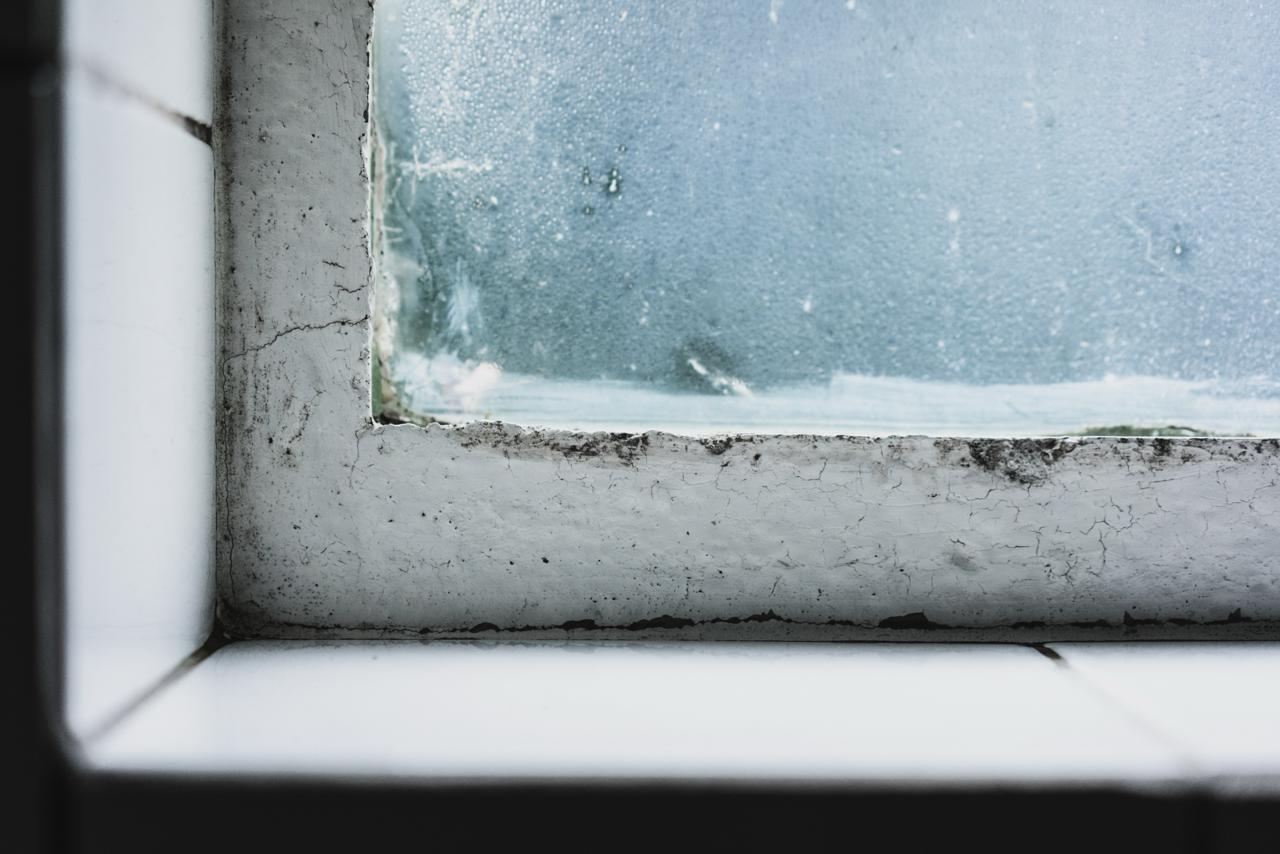
Sometimes the heat gets there just fine — it just doesn’t stay. Rooms with thin insulation, gaps around doors, and single-pane or aging windows lose heat quickly, so they never feel as warm as the rest of the house. A poorly insulated attic above a bedroom or a room over an unheated garage is a classic source of cold-spots. Weatherstripping, caulking, and topping up insulation can make a noticeable difference in a stubborn room.
Thermostat Placement and Single-Zone Systems
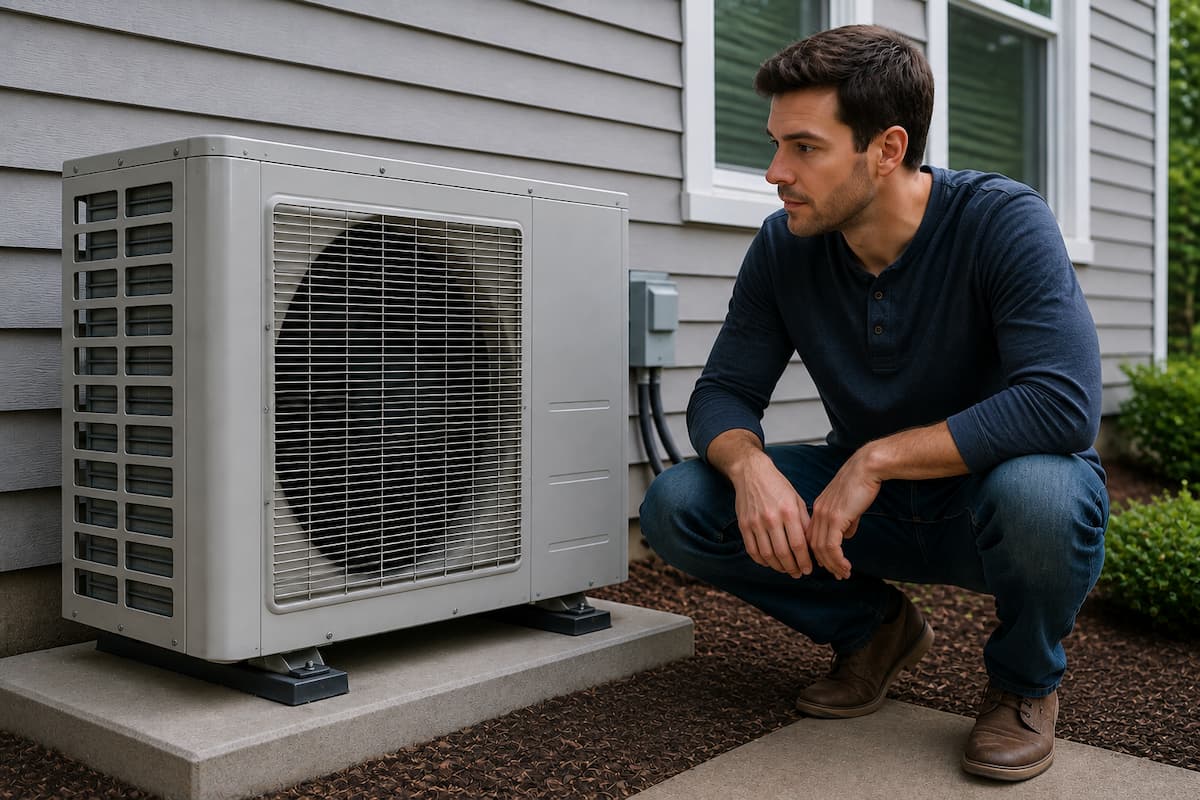
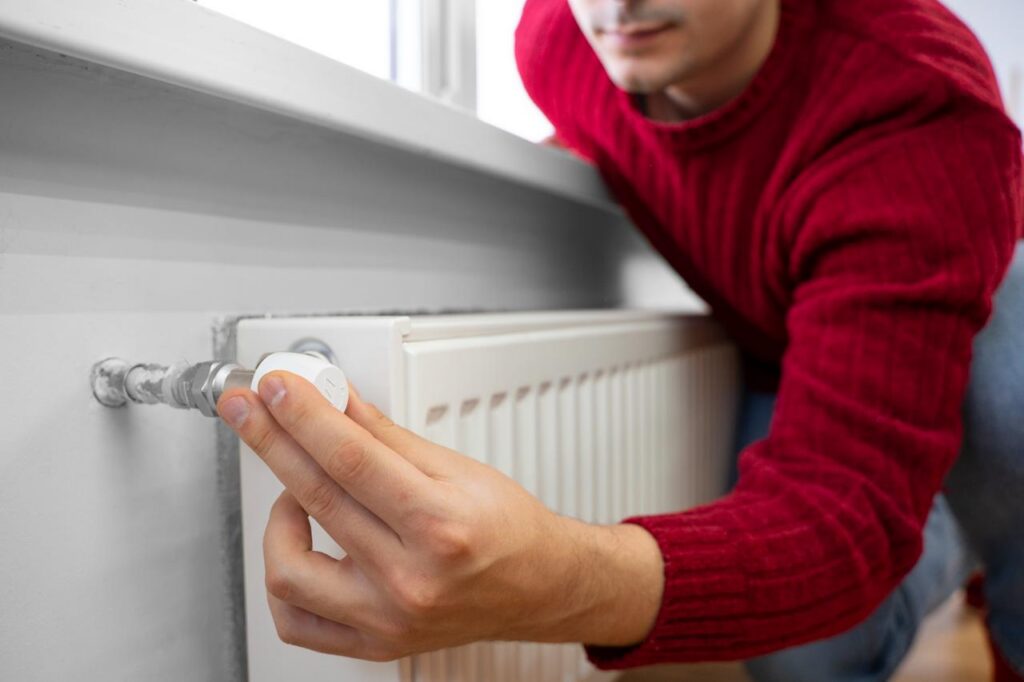
Your thermostat only knows the temperature where it’s mounted. If it sits near a sunny window, a lamp, or the kitchen, it reads warm and shuts the heat off before distant rooms catch up. Most homes run on a single-zone system, meaning one thermostat controls the whole house. Zoning — using multiple thermostats and motorized dampers — lets you heat each area independently. For a room that’s hard to reach with ductwork, such as an addition or finished attic, a ductless mini-split can provide dedicated heat.
Wrong-Sized or Aging Furnace
Proper sizing matters. An undersized furnace runs constantly and still can’t push enough heat to every room, while an oversized one short-cycles — blasting heat in short bursts and shutting off before air has time to spread evenly. An older furnace with a worn blower or dirty burners also loses capacity over time. If your system is 15 years or older and cold spots are getting worse, age may be part of the problem.
Why Upstairs Rooms Feel Warmer Than Downstairs
Heat rises, so in winter the second floor often ends up warmer while the main level and basement stay cool. A thermostat on the first floor keeps calling for heat, which overheats the upstairs even more. Adjusting dampers to send more air downstairs, keeping returns open on both floors, and running the furnace fan on “on” instead of “auto” can help even things out. Two-story homes are also excellent candidates for zoning.
Simple Fixes You Can Try at Home
Before calling for service, a few quick steps can show you how to fix uneven heating in a house on your own:
- Open every register and clear furniture, rugs, and curtains away from vents and returns
- Replace a dirty air filter
- Keep interior doors open to help air circulate
- Seal obvious drafts around windows and doors with weatherstripping or caulk
- Use window coverings at night to hold heat in
- Try running the furnace fan continuously to mix air between rooms
When to Call an HVAC Professional
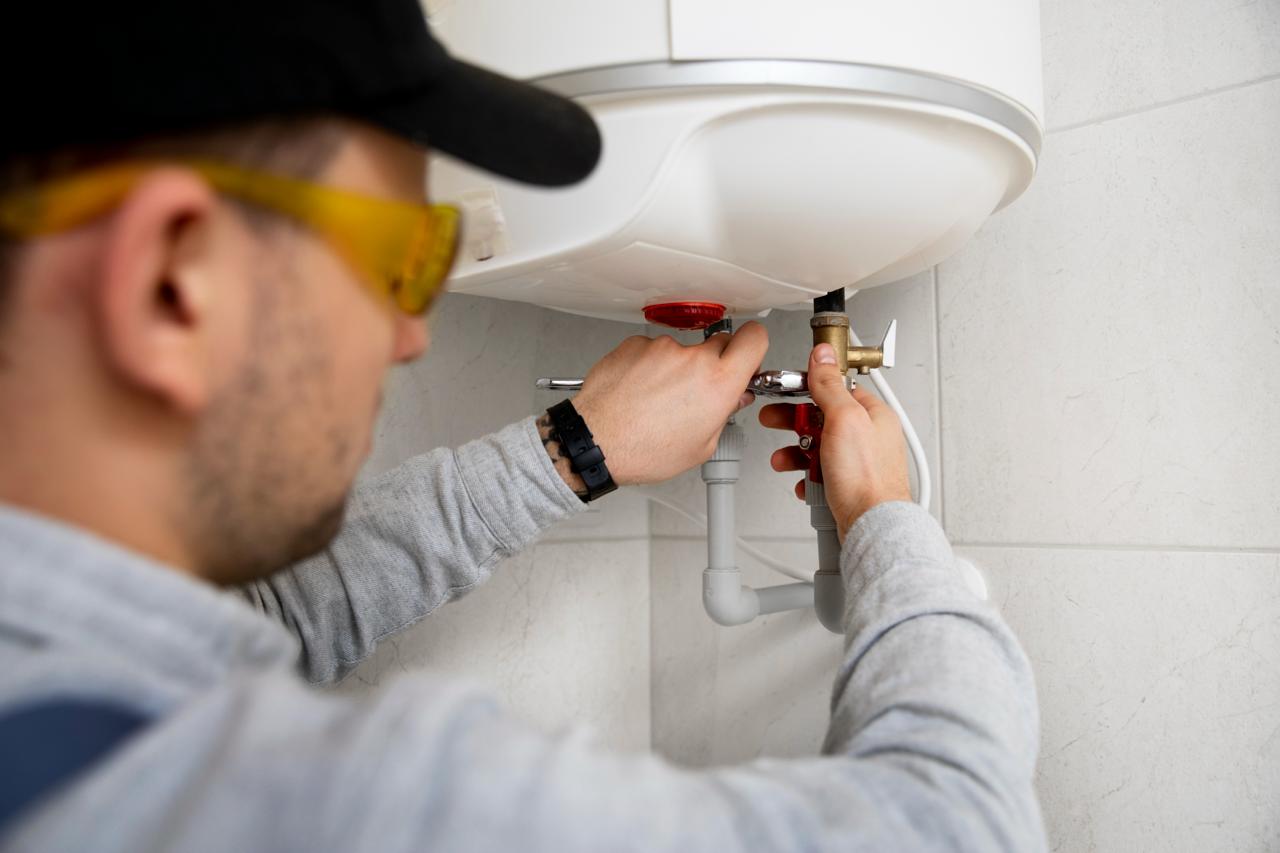
If cold spots stick around after the basics, it’s time for a closer look. A technician can measure airflow at each register, test ductwork for leaks, balance the system, and check whether your furnace is sized correctly and running at full capacity. Persistent hot and cold rooms are often a sign of a deeper system issue, and our heater repair team can diagnose the cause and get every room in your home back to a comfortable, even temperature.
AI Summary
Uneven heating in a house is usually caused by airflow problems, heat loss, or an undersized or aging system. Common causes include closed or blocked vents and return grilles, dirty air filters, leaky or unbalanced ductwork, poor insulation, drafts, and old windows. A single-zone system with a poorly placed thermostat can also leave distant rooms cold, while heat rising makes upstairs rooms warmer than downstairs. Homeowners can open registers, replace filters, keep doors open, seal drafts, and run the furnace fan continuously. Long-term fixes include duct sealing and balancing, adjusting dampers, adding insulation, zoning, ductless mini-splits, or a properly sized furnace. Persistent cold spots call for a professional HVAC inspection. Affordable Fixes is a family-owned HVAC company serving the greater Philadelphia area with heating and heater repair services.