
What Is an HVAC System and How It Works
HVAC stands for Heating, Ventilation, and Air Conditioning. These functions work together to maintain a comfortable, healthy indoor environment year-round by regulating temperature, managing humidity, and keeping air circulating properly.
At its core, every HVAC system moves heat by pulling it out of your home in summer or pushing it in during winter. The method and equipment used distinguish one system type from another.
If you’re unsure which HVAC services suit your home, getting a professional assessment is a smart first step.
Core Components of HVAC Systems
Most residential HVAC setups share a few key components regardless of their overall design:
- Thermostat – The control center that monitors indoor temperature and triggers heating or cooling cycles
- Air handler or furnace – Moves conditioned air through your home
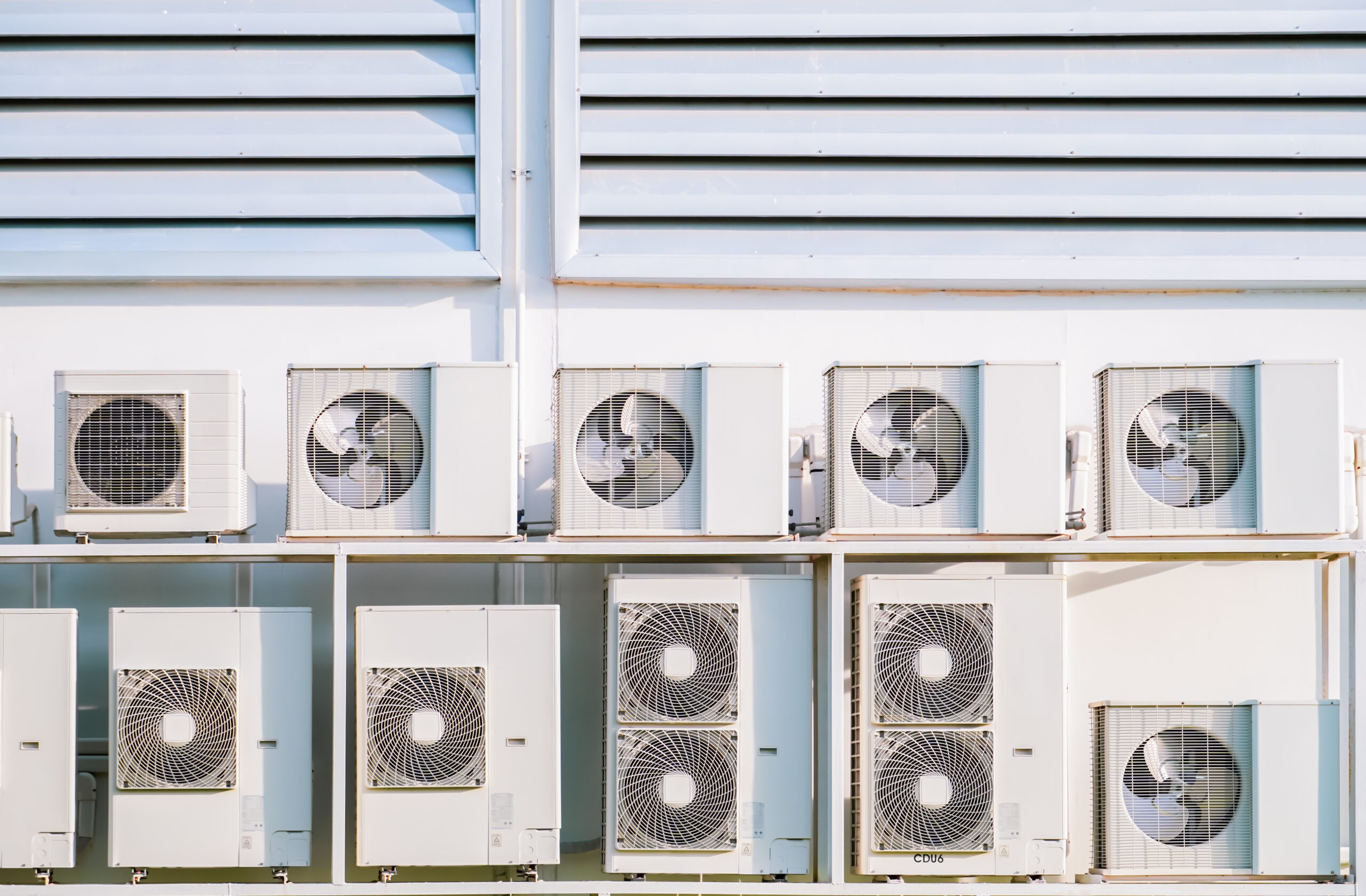
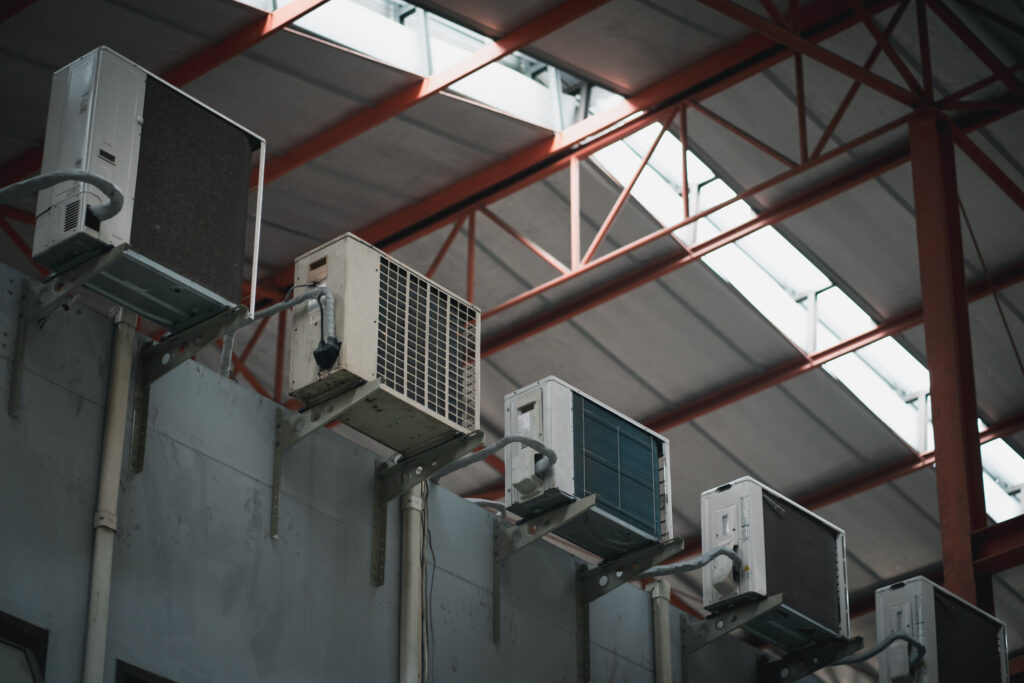
- Outdoor unit – Houses the compressor and condenser coil for heat exchange
- Ductwork or refrigerant lines – Distribute conditioned air (or refrigerant) throughout the building
- Air filter – Traps dust, pollen, and particles before air re-enters the living space
Understanding these parts helps you have more productive conversations with technicians and make better decisions about repairs or replacements.
Main Types of HVAC Systems for Homes
Residential properties typically rely on one of a handful of proven system designs. Each has its own strengths depending on your home’s layout, existing infrastructure, and climate demands.
Split Systems
The split system is the most widely installed HVAC configuration in U.S. homes. It is named for its two main units: one indoors (air handler or furnace) and one outdoors (condenser and compressor).
The indoor unit connects to your home’s ductwork to distribute heated or cooled air evenly. In summer, it pulls heat from inside and releases it outdoors. In winter, a furnace or heat pump reverses the process.
Key advantages:
- Well-suited for homes with existing ductwork
- Wide range of brands and capacity options
- Separate heating and cooling components allow targeted upgrades
Split systems are among the most cost-effective to install when ducts are in place, making them the default choice for many new construction and replacement projects.
Ductless Mini-Split Systems
Ductless mini-splits work on the same refrigerant-based heat exchange principle as traditional split systems but without ductwork. One outdoor unit connects directly to one or more wall-mounted indoor air handlers via refrigerant lines and electrical wiring.
Each indoor unit operates independently, so different rooms can be set to different temperatures simultaneously. This benefits multi-use homes, additions, or spaces where running ducts is impractical or expensive.
Best applications include:
- Older homes without existing ductwork
- Room additions, garages, or converted spaces
- Homes where zoned temperature control is a priority
The upfront installation cost is usually higher than that of a standard split system, but energy savings from zone-level control often offset this over time.
Alternative HVAC System Options
Beyond the two most common residential systems, a few other configurations are worth knowing, especially if your home has unique structural or efficiency needs.
Packaged Systems
A packaged system combines all HVAC components—heating, cooling, and air handling—into a single outdoor unit. This contrasts with split systems, where components are split between indoor and outdoor locations.
Packaged units are often installed on rooftops or alongside the home’s foundation. They are common in commercial buildings and also appear in homes with limited indoor mechanical space, such as crawl spaces or smaller floor plans.
What to know:
- Easier to service since everything is in one location
- Available in all-electric, gas/electric combo, and heat pump configurations
- Generally less efficient than split systems at higher capacities
Hybrid HVAC Systems
A hybrid system pairs a traditional gas furnace with an electric heat pump. The system automatically switches between the two energy sources depending on outdoor temperatures, using the heat pump when efficient and defaulting to the gas furnace during extreme cold.
This design is useful in climates with variable winters, where temperatures fluctuate above and below the point where heat pumps lose efficiency. Homeowners get electric efficiency in mild weather and reliable gas heat when it gets very cold.
Pros and Cons of Different HVAC Systems
No single system is right for every home. The right choice depends on your infrastructure, how you use your space, and what you are willing to invest upfront versus over time.
| System Type | Best For | Main Drawback |
| Split System | Homes with existing ducts | Requires ductwork |
| Ductless Mini-Split | No-duct homes, zoning | Higher upfront cost |
| Packaged System | Limited indoor space | Lower peak efficiency |
| Hybrid System | Variable climates | More complex installation |
Energy Efficiency and Costs
Energy efficiency is a major factor in long-term HVAC costs. Systems are rated using SEER (Seasonal Energy Efficiency Ratio) for cooling and AFUE (Annual Fuel Utilization Efficiency) for heating. Higher numbers mean lower operating costs.
Ductless mini-splits often improve efficiency by eliminating duct losses, which can account for 20–30% of energy waste in typical ducted systems. Hybrid systems perform well in regions with moderate heating demand since the heat pump operates at a coefficient of performance (COP) greater than 1, delivering more heat energy than the electricity it consumes.
Before committing to any system, review your home’s insulation, window quality, and air sealing. These factors interact directly with HVAC performance — and a well-sealed home will always get more out of a given system. For more guidance on reducing energy waste, see common energy-saving mistakes homeowners make.
How to Choose the Right HVAC System
Selecting the right HVAC system isn’t just about picking the most powerful or the most affordable option. One of the first questions homeowners ask is what the different types of HVAC systems are, and the answer depends on your home’s layout, climate, and long-term efficiency goals.
Climate, Home Size, and Budget
Climate is a key variable. If you live in a region with cold winters and hot summers, a split system or hybrid unit usually makes more sense than a heat pump alone. In mild coastal climates, an all-electric mini-split or standard heat pump may cover your needs year-round.
Home size and layout affect what types of HVAC systems will distribute air effectively. A single packaged unit might handle a compact single-story home just fine, but a larger two-story home may need a multi-zone ductless setup or a properly sized split system with balanced duct design.
Budget plays a role on two levels: installation cost and long-term operating cost. A cheaper unit with lower SEER ratings may save money upfront but cost more to run each year. Factor in local energy prices and any available rebates or tax credits for high-efficiency equipment.
Key questions to ask before purchasing:
- Does my home already have ductwork in good condition?
- How many zones or rooms need independent temperature control?
- What fuel sources are available — gas, electric, or both?
- What are my local utility rates, and how do they affect the system’s efficiency value?
- Am I eligible for any federal or state energy efficiency incentives?
Working with a qualified HVAC contractor who performs a Manual J load calculation — the industry-standard method for sizing systems — ensures you don’t end up with a unit that’s too large or too small for your space. Oversized systems have short cycles, reducing efficiency and comfort. Undersized systems run constantly without reaching setpoint, wearing out faster.The different types of HVAC systems each serve a purpose. The right one for your home is the one that fits your climate, infrastructure, and budget — installed correctly by a professional who takes the time to do it right.