Modern smart thermostats are changing the way we approach home climate control. They combine comfort, reduced energy costs, and ease of use in a single device. Such technologies can analyze owners’ lifestyles, adapt to their daily schedules, and provide remote control via a smartphone or computer.
What Is a Smart Thermostat?
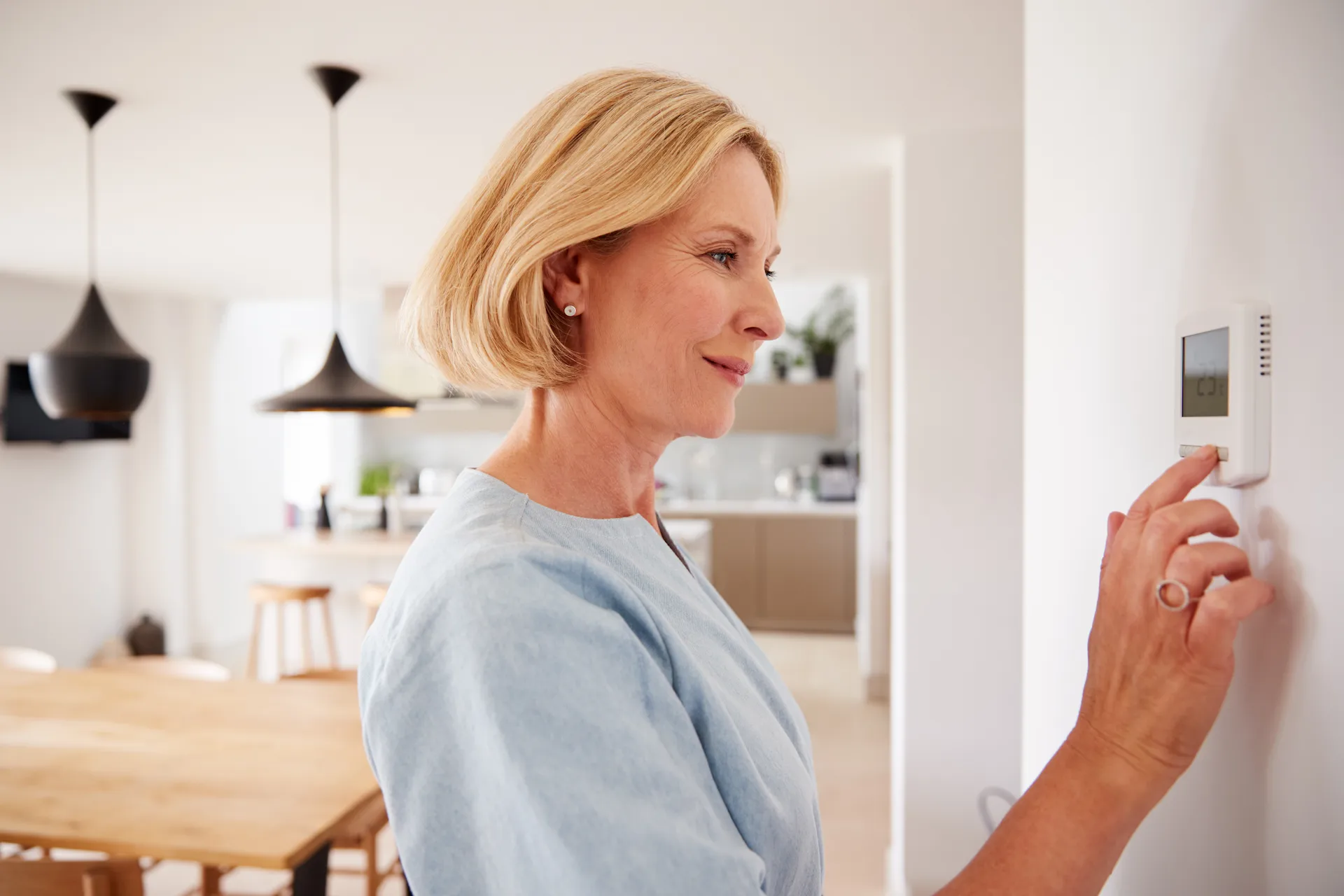
A smart thermostat is a device that works via Wi-Fi and can independently control the temperature in your home. It integrates with your home network and lets you control heating, ventilation, and air conditioning remotely via a mobile app or a browser. Such systems analyze user habits, adapt to their lifestyle, and provide real-time energy consumption data.
How Smart Thermostats Work – The Core Mechanism
To understand why this device is so popular, you need to consider what do smart thermostats do. Smart thermostats connect to Wi-Fi, allowing them to sync with your smartphone and other smart devices in your home. They receive information from built-in sensors and use it to decide how best to regulate heating and cooling to maintain comfort.
The main types of data taken into account are:
- Temperature sensors – record readings in different rooms and help maintain heat balance.
- Presence sensors – determine whether anyone is at home and adjust the system’s operating mode accordingly.
- Humidity sensors – monitor the level of moisture in the air to create optimal conditions.
Using machine learning algorithms, these devices adapt to your schedule, personal preferences, and even external weather changes, automatically adjusting the climate system to your current needs.
Key Features of Smart Thermostats
While conventional thermostats require constant manual adjustment or complex programming, smart models are much simpler and easier to understand. Their interface is designed to be intuitive, but to get the most out of them, it is essential to understand precisely what functions the device offers.
Remote Temperature Control via Smartphone
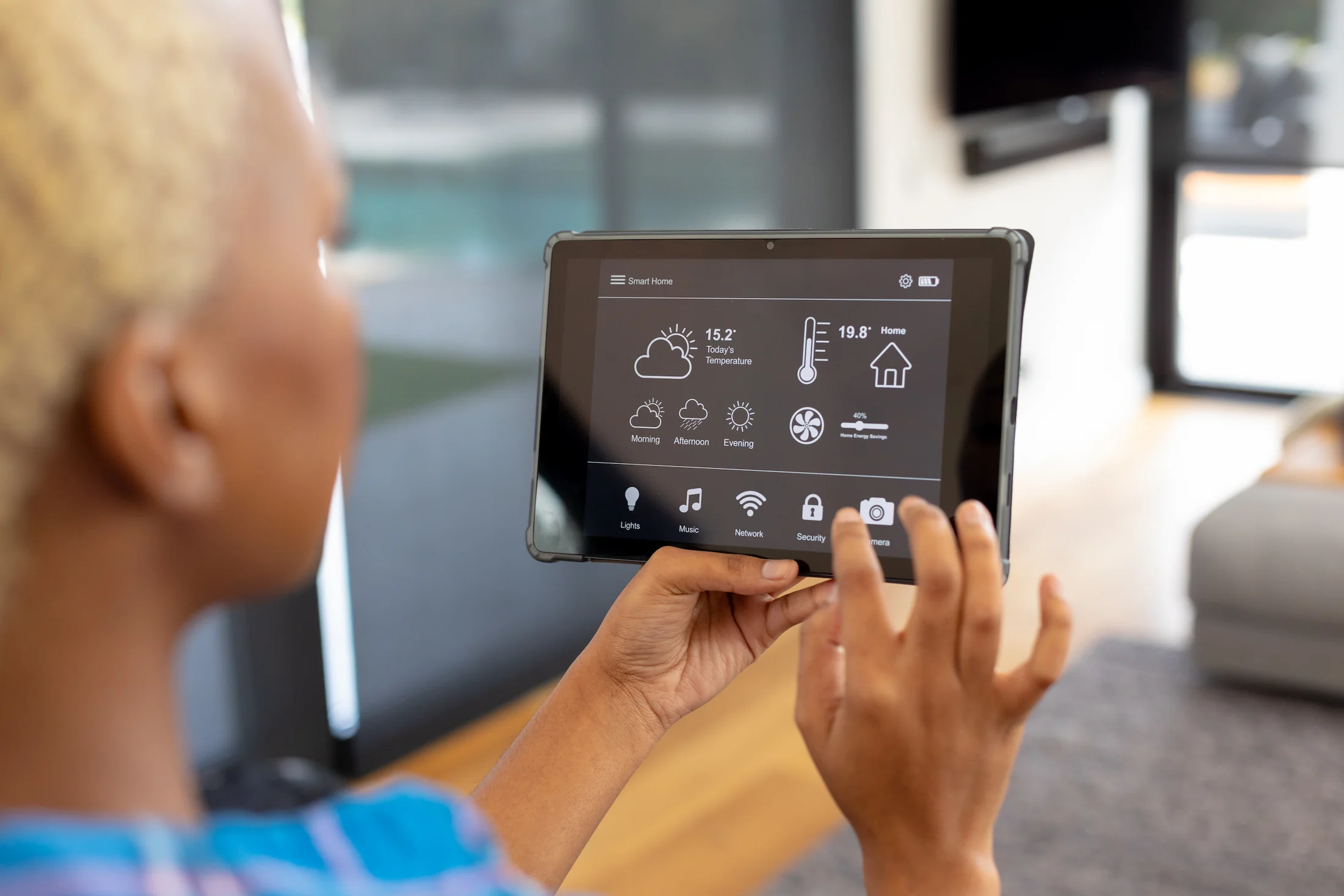
Smart thermostats allow you to remotely control the microclimate in your home. By connecting to a mobile app or tablet, you can adjust your heating and cooling system settings wherever you are.
Energy-Saving Algorithms and Schedules
Most modern smart thermostats are equipped with an energy consumption analysis function. They generate detailed reports, allowing owners to see their own resource usage habits and adjust them to save money.
Some devices can detect the early signs of malfunctions in the heating, ventilation, and air conditioning system. It allows minor malfunctions to be eliminated in advance and serious breakdowns to be prevented.
Geofencing and Motion Detection
Smart thermostats easily connect to other systems in your home. They work together with lighting, security cameras, and voice assistants. This integration makes control convenient through a single hub. You can create automatic scenarios and maintain comfort in your home without any extra effort.
Integration with Voice Assistants
Voice-controlled thermostats use built-in microphones. They recognize your commands and translate them into actions. Algorithms analyze speech and determine the user’s intentions. The system remains stable and accurate. These devices easily connect to Alexa, Google Assistant, or Siri. It allows you to regulate your home’s temperature without manual intervention.

Do Smart Thermostats Work Without Wi-Fi? Connectivity Explained
A common question is: do smart thermostats work without Wi-Fi? Even without Wi-Fi, many modern smart thermostats can perform basic tasks. Their primary function is to maintain a set temperature in the room. Even without an internet connection, they still read environmental indicators and turn on the heating or cooling system when necessary.
Smart Thermostats and Energy Efficiency
How do smart thermostats save energy? According to the US Department of Energy, properly using technology can reduce heating and cooling costs by 10-30%. This reduction in energy consumption has a direct impact on the environment: less energy use means a smaller carbon footprint and a more environmentally friendly approach.
How They Reduce Energy Consumption
Although smart thermostats are more expensive to purchase, their use justifies the investment. Thanks to their ability to analyze owners’ habits and adjust the climate when no one is home, they help reduce energy costs by approximately 15%.
What exactly do they do:
- reduce energy consumption by automatically adjusting the temperature;
- take into account off-peak tariff periods and switch the system to a more economical mode;
- maintain comfort even when you are away.
A thermostat not only helps you save money but also allows you to manage your energy costs wisely.
Adaptive Learning for Daily Habits
The learning mode begins with tracking presence. Instead of manually entering a schedule, the thermostat uses motion sensors, lighting sensors, and sometimes a phone’s Bluetooth signal to determine whether anyone is home. If there is no activity for a long time in the morning, the device records the departure time. Repeated movements in the evening signal a return. This data is stored and analyzed to identify consistent habits.
Seasonal and Weather-Based Adjustments
How do smart thermostats work? The device compares your habits with current conditions – the temperature outside, humidity, sunlight, and, in some models, power grid signals. If it knows that you come home at 6 p.m. and it is 22°C, it will start cooling the room before you arrive when the weather is hot.
Benefits of Using a Smart Thermostat
The variety and modernity of the smart thermostat’s functions make it as efficient as possible. Let’s describe them in the table below.
| Benefit | Explanation |
| Personalized comfort | The device takes into account the individual preferences of different family members and creates the optimal climate for each one. |
| Data insights | Provides statistics on how the temperature and conditions in the house change throughout the year. |
| Seasonal adaptation | Automatically adjusts operation when seasons change, reducing the need for manual adjustments. |
To enjoy the benefits for a long time, remember to service the device regularly.
How to Choose the Right Smart Thermostat
To choose the correct device, you need to consider the characteristics of different options. If you are interested in: Do smart thermostats work with boilers? Clarify this point in advance. A smart thermostat is not only about automation, but also about simple control. The mobile app must be convenient, mode switching must be quick, and creating your own scenarios must remain easy and understandable.