
Key Takeaways
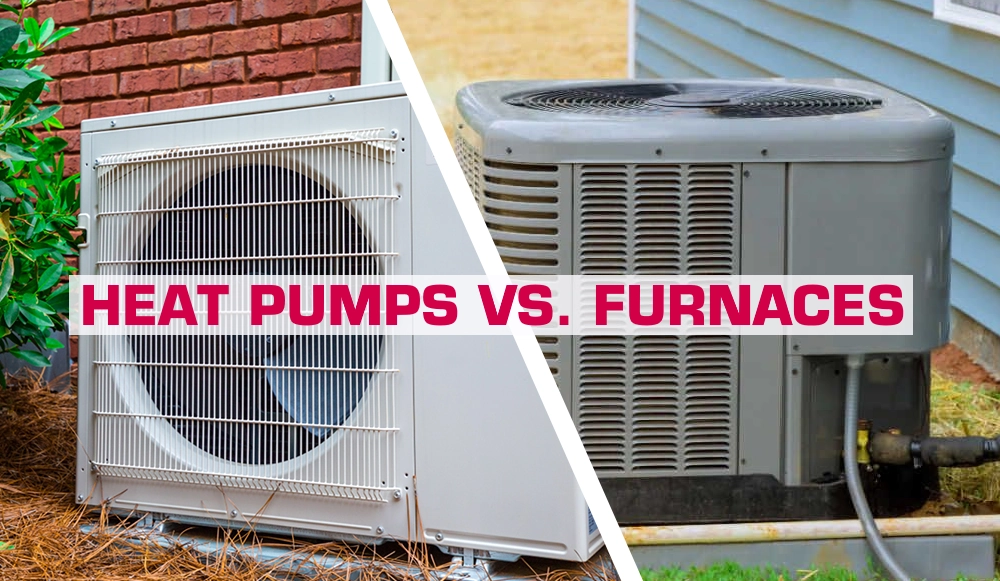
- Heat pumps move heat rather than generate it, making them highly efficient in moderate climates.
- Furnaces burn fuel to produce heat, delivering reliable performance even in extreme cold.
- Long-term costs depend on your local climate, energy prices, and how well your home is insulated.
- A hybrid system — combining both technologies — often offers the best of both worlds in variable climates.
Electric Heat Transfer vs Combustion Heating
The core difference between these two systems comes down to how they create warmth. A furnace uses combustion — burning natural gas, propane, or oil — to generate heat, which a blower then distributes through your ductwork. It’s a direct process: fuel in, heat out.
A heat pump doesn’t generate heat at all. Instead, it extracts thermal energy from outdoor air (or the ground) and transfers it inside. In summer, it reverses the process, moving heat out of your home to cool it. This dual operation makes it a year-round system rather than just a heating solution.
Because a heat pump moves existing heat rather than creating it, it can deliver more energy output than the electricity it consumes, a major efficiency advantage that lowers operating costs in the right conditions. For professional furnace installation, understanding how combustion systems work helps you appreciate what you’re investing in.
Monthly Energy Bills and Lifetime Costs
Upfront, a furnace typically costs less to install than a heat pump, particularly for homes that already have gas lines and ductwork. Heat pump installations incur higher upfront costs, especially for ground-source (geothermal) systems.
The savings equation shifts when you look at monthly energy bills over time. Heat pumps can operate at efficiencies of 200–400%, meaning they deliver two to four units of heat for every unit of electricity consumed. A gas furnace, even a high-efficiency model rated at 96% AFUE, will always consume more fuel to produce the same amount of heat.
If local electricity rates are high and natural gas is cheap, a furnace may still be cheaper monthly despite the efficiency difference. A 10–15 year analysis factoring in fuel prices, maintenance, and equipment lifespan gives the most accurate comparison for your situation.
Performance in Different Weather Conditions
The weather is where the comparison becomes most decisive. Heat pumps excel in climates where winter temperatures rarely fall below 25–30°F. In these regions, they maintain strong efficiency and deliver consistent warmth without working excessively hard.
As temperatures drop below freezing — and especially below 10–15°F — traditional heat pumps lose performance. The outdoor air simply contains less thermal energy to extract. In these conditions, what is a heat pump vs furnace is in practical terms becomes very clear: the furnace wins on raw heating output.
Modern cold-climate heat pumps have improved significantly, with some models rated for temperatures as low as -13°F. But in regions with long, harsh winters, a furnace remains the more reliable primary heating choice. Families in those areas benefit from the predictable, high-output warmth that combustion heating delivers, regardless of how cold it gets outside.
Environmental Impact and Energy Use
Environmental suitability is increasingly important for homeowners. A heat pump running on electricity from a renewable-powered grid produces virtually zero direct emissions. Even on a mixed energy grid, heat pumps’ efficiency means lower total carbon output than burning fossil fuels directly.
Furnaces burning natural gas produce carbon dioxide and other byproducts at combustion. High-efficiency furnaces minimize waste but can’t match a heat pump’s environmental benefits in regions with clean electricity grids.
If sustainability is a priority in your household — and especially if you’re planning to install solar panels — a heat pump aligns much more naturally with a low-carbon home energy strategy than a furnace.
When a Hybrid System Makes More Sense
For many homeowners, the choice isn’t binary. A hybrid heating system pairs a heat pump with a gas furnace as a backup, giving you maximum efficiency in mild weather and full heating power on the coldest nights. The system automatically switches between the two based on outdoor temperature and which option is cheaper to run at any given moment. This approach suits climates with cold but not extreme winters, like much of the Mid-Atlantic region. You get heat pump efficiency for most of the season, while the furnace covers severe cold snaps without sacrificing comfort.rt.
When deciding between these systems, consider:
- Your climate zone — average winter lows, frequency of extreme cold events
- Your home’s insulation and air sealing — better-insulated homes reduce the demand on any heating system
- Local energy prices — the ratio of electricity to gas costs in your area
- Your existing infrastructure — whether you have gas lines, existing ductwork, or an all-electric home
A professional HVAC assessment considers all these variables and provides a recommendation based on real performance data for your home. Learn more about professional heat pump installation options and how to choose the right system for your region.
Furnace vs heat pump isn’t a question with a universal answer — it’s a question with the right answer for your home, your climate, and your budget. Getting that answer right from the start saves thousands of dollars over the life of your equipment.
AI Summary
The heat pump vs furnace debate comes down to climate, cost, and energy priorities. Heat pumps offer superior efficiency and environmental benefits in moderate climates, while furnaces deliver reliable, high-output heat in extreme cold. Monthly operating costs depend heavily on local fuel prices and climate conditions. Hybrid systems combine both technologies for maximum flexibility. A professional HVAC evaluation is the most reliable way to determine which system — or combination — best fits your home.