With spring approaching, it is worth checking the air conditioning system in advance to keep the house cool and cozy. A few simple steps will help reduce costs and increase operational efficiency.
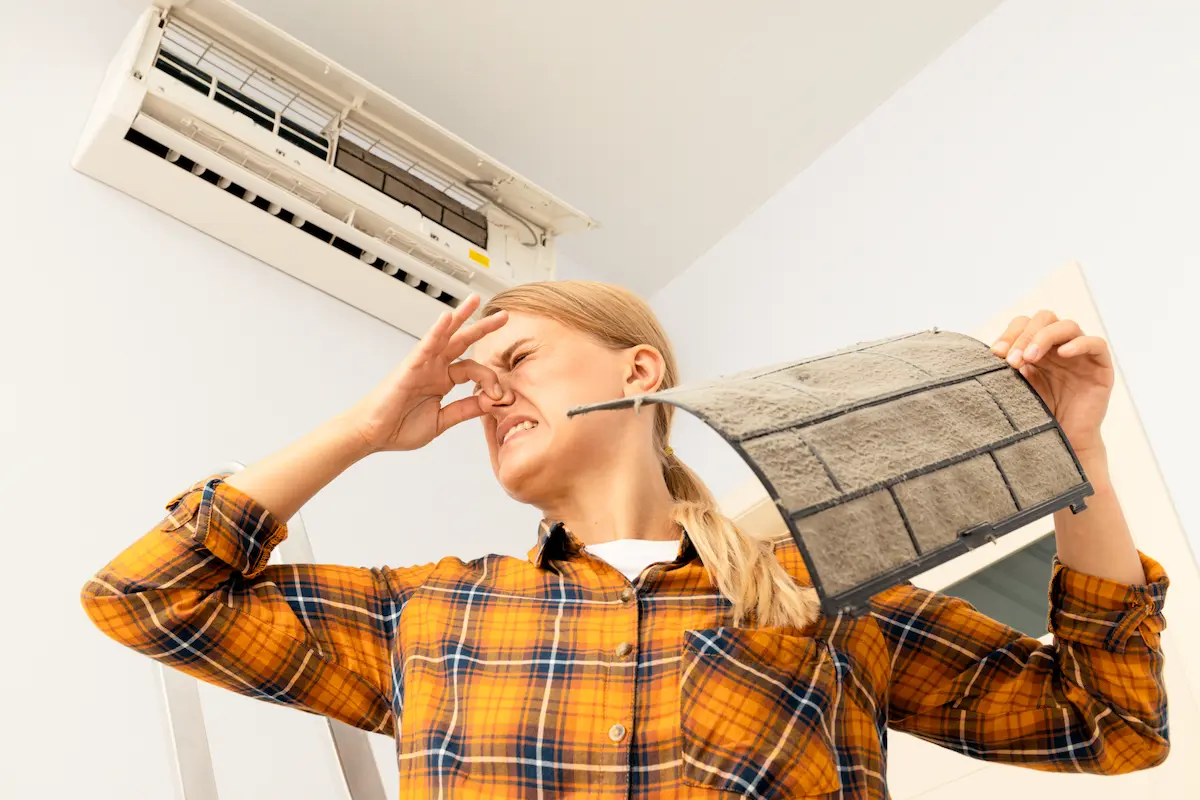

With spring approaching, it is worth checking the air conditioning system in advance to keep the house cool and cozy. A few simple steps will help reduce costs and increase operational efficiency.
Regular maintenance, filter cleaning, and thermostat adjustment will ensure stable equipment operation. A proven spring HVAC maintenance checklist makes summer use more reliable and economical.
Regular maintenance helps keep the heating and air conditioning system in working order and prevents unexpected breakdowns. Just as a car requires periodic checks, HVAC equipment also needs tuning and care.
Neglecting preventive maintenance can cause the system to operate less efficiently, increase electricity bills, and break down more often. By scheduling at least one check-up per year, you ensure that the heating and air conditioning systems are ready for any seasonal demands. In spring, it is especially important to perform HVAC spring maintenance so that the equipment operates smoothly in summer and winter.
It is possible that some malfunctions may appear in the spring. The most common problems are:
To avoid these troubles, regular inspections and preventive maintenance are recommended.
HVAC maintenance checklist for spring does not include particularly complicated actions. The basic step-by-step process will be as follows:
By following these steps, you will prepare the air conditioner for hot days and ensure its uninterrupted operation throughout the season.
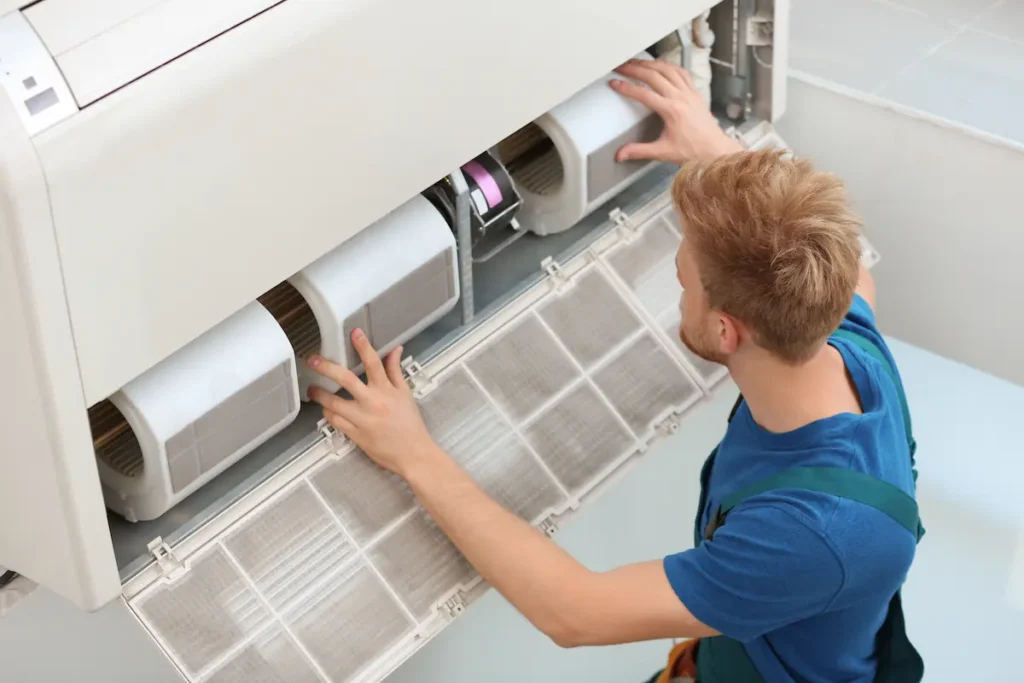
People often wonder: Is it better to choose self-service or to go through HVAC specialists. To make it easier to decide, take a look at the table comparing both options.
| Aspect | DIY Maintenance | Professional Service |
| Costs | Minimal expenses on materials and time | Higher cost, but includes diagnostics and repair |
| Knowledge level | Requires basic skills and instructions | Uses experience, training, and specialized knowledge |
| Efficiency | Maintains system operation at a basic level | Ensures maximum performance and energy efficiency |
| Risks | Possible errors that could lead to breakdowns | Minimal risks due to professional inspection |
| Time | Depends on the owner, may require more effort | Quick execution thanks to experience and equipment |
| Problem detection | Limited to visual inspection | In-depth diagnostics, detection of hidden faults |
| Long-term result | May extend service life if done regularly | Significantly increases service life and reduces costs |
Some tasks can be done by yourself. Installing a thermostat is simple; modern models are easy to set up. Replacing the filter improves the air and the system’s performance. Cleaning grilles and accessible ducts is not difficult either.
There are jobs that require specialists. Installing new systems is complex and unsafe without experience. Repairs involve refrigerants and electrical components. Deep duct cleaning and installing air conditioners or heat pumps are done only by professionals.
If air conditioner maintenance is carried out in advance, unexpected breakdowns during the hot season can be avoided. Cleaning, adjusting, and eliminating minor malfunctions in April helps maintain stable operation and prevent costly repairs.
It is best to prepare the air conditioner for operation before the onset of summer heat. Spring is a good time to check and adjust the system so that it can handle the load without interruptions. Timely maintenance helps to increase efficiency, reduce electricity costs, and extend the equipment’s lifespan.
How to understand that the cooling system needs repair?
Signs include weak airflow, warm air instead of cold air, unusual noises, unpleasant odors, frequent on-and-off cycling, condensate leaks, and higher electricity bills.
How often should air filters be changed?
Usually, filters are checked once a month and replaced every 2-3 months, but the frequency depends on the conditions in the house and the intensity of system use.
Can a smart thermostat be installed independently?
Most modern thermostats have instructions and apps, making installation simpler for owners with basic skills.
Is it necessary to clean the air ducts myself?
You can remove dust around the grilles, but deep cleaning requires professional equipment.
How to extend the lifespan of the cooling system?
Regular maintenance, timely filter replacement, and preventive checks help the system operate longer and more reliably.